Integrative care plan examples for practitioners 2026
Discover evidence-based integrative care plan examples for functional medicine practitioners in 2026. Learn phased protocols, collaborative frameworks, and outcome-driven strategies to enhance patient care.

Functional medicine practitioners face a daily challenge: selecting integrative care plan frameworks that effectively address root causes while managing whole-person symptoms. The complexity of chronic disease demands more than generic protocols. You need evidence-based, adaptable care plan examples that demonstrate how to blend functional assessment, nutrition interventions, lifestyle modifications, and collaborative monitoring into cohesive patient pathways. This article delivers practical integrative care plan examples across diverse clinical scenarios, equipping you with actionable frameworks to enhance patient outcomes and streamline your clinical workflow in 2026.
Table of Contents
- Criteria For Effective Integrative Care Plans In Functional Medicine
- Examples Of Integrative Care Plans Across Clinical Scenarios
- Comparing Integrative Care Plan Approaches: Functional Versus Integrative Medicine
- Selecting And Tailoring Integrative Care Plans For Better Patient Outcomes
- How Meelio AI Supports Integrative And Functional Care Planning
- Examples Of Integrative Care Plans - FAQ
Key takeaways
| Point | Details |
|---|---|
| Integrative care blends approaches | Functional medicine root-cause analysis combines with conventional and complementary therapies for comprehensive patient management. |
| Examples span diverse scenarios | Phased testosterone protocols, IBD group programs, and cancer supportive care illustrate adaptable integrative frameworks. |
| SMART goals drive success | Personalized nutrition, sleep, movement, and stress targets enable dynamic adjustments based on ongoing monitoring. |
| Collaboration enhances outcomes | Shared interdisciplinary documentation and team-based care prevent siloed interventions and improve quality of life. |
| Evidence supports effectiveness | Clinical trials show improved symptoms and reduced acute care utilization with integrative models. |
Criteria for effective integrative care plans in functional medicine
Building effective integrative care plans requires a structured methodology that prioritizes comprehensive patient assessment and root-cause identification. Functional medicine care plans start with detailed patient histories, laboratory testing, and lifestyle evaluation to map underlying imbalances. You must gather data on nutrition patterns, sleep quality, stress levels, environmental exposures, and genetic predispositions before designing interventions. This foundation ensures your care plan addresses the true drivers of disease rather than masking symptoms.
Utilize frameworks like the Functional Medicine Matrix and GOTOIT model to organize patient data and identify root causes systematically. The Matrix maps antecedents, triggers, and mediators across body systems, revealing how gut dysfunction might drive inflammation or hormonal imbalance. GOTOIT (Gather, Organize, Tell the story, Order, Initiate, Track) provides a step-by-step workflow for transforming raw data into actionable care plans. These frameworks help you connect seemingly unrelated symptoms into coherent clinical narratives that guide targeted interventions.
Set personalized SMART goals that encompass nutrition, sleep, movement, stress management, and supplementation. Specific targets might include eliminating gluten for 90 days, achieving seven hours of sleep nightly, walking 10,000 steps daily, practicing 10 minutes of meditation, or supplementing with omega-3s at therapeutic doses. SMART goals provide measurable milestones that keep patients engaged and allow you to track progress objectively through follow-up visits and repeat lab work.
Pro Tip: Build collaborative, dynamic care plans with scheduled monitoring touchpoints every 4 to 6 weeks. Regular follow-ups enable you to adjust interventions based on symptom changes, lab trends, and patient feedback, preventing stagnation and optimizing outcomes.
Avoid siloed care by implementing shared interdisciplinary documentation and team-based workflows. When you coordinate with dietitians, health coaches, and mental health professionals through unified EHR systems or care platforms, every team member accesses the same patient data and treatment goals. This transparency prevents conflicting recommendations and ensures all interventions align toward common outcomes. A care plan guide for functional medicine can help you structure these collaborative workflows effectively.
- Comprehensive intake forms capturing detailed histories
- Root-cause frameworks organizing complex patient data
- SMART goals spanning multiple lifestyle domains
- Scheduled monitoring and adjustment protocols
- Unified documentation accessible to care teams
Patient-centered care in functional medicine thrives when you combine these criteria into cohesive, adaptable plans that evolve with each patient's unique journey.
Examples of integrative care plans across clinical scenarios
Concrete clinical examples illustrate how integrative care plans translate theory into practice. An IBD functional medicine program delivered structured elimination diet protocols combined with lifestyle education across five group sessions, resulting in improved symptom scores and quality of life measures. Patients eliminated common triggers like gluten, dairy, and processed foods while learning stress reduction techniques and sleep hygiene practices. Group formats provided peer support and accountability, enhancing adherence to dietary changes and lifestyle modifications over 12 weeks.

A testosterone replacement phased plan demonstrates the power of sequential interventions addressing multiple root causes. The practitioner began by treating SIBO and gut dysbiosis with antimicrobial herbs and probiotics, then corrected iron deficiency with supplementation and dietary adjustments. Only after optimizing gut health and micronutrient status did the plan introduce low-dose testosterone replacement therapy, adaptogens like ashwagandha, and structured resistance training. This phased approach yielded sustained symptom relief, improved lab markers, and minimized adverse effects by building a strong physiological foundation before hormone intervention.
Cancer integrative programs incorporate nutritional supplements alongside conventional chemotherapy to reduce treatment toxicity and support immune function. These plans typically include high-dose vitamin C infusions, medicinal mushroom extracts, omega-3 fatty acids, and targeted probiotics based on individual patient needs and oncology protocols. Practitioners coordinate closely with oncologists to ensure supplement timing avoids interactions with chemotherapy agents while maximizing supportive benefits. Patients receive weekly monitoring for side effects and quality of life metrics, allowing rapid adjustments to supplement dosages or formulations.
Common elements across these examples include:
- Phased interventions prioritizing foundational systems like gut health and nutrition before advanced therapies
- Multi-modal approaches combining dietary changes, supplements, lifestyle modifications, and conventional treatments
- Personalization based on laboratory data, symptom patterns, and patient preferences
- Collaborative goal setting with clear milestones and regular progress reviews
- Dynamic adjustments driven by ongoing monitoring and patient feedback
- IBD plans leverage group education for peer support and accountability
- Testosterone protocols sequence interventions to optimize foundational health first
- Cancer supportive care coordinates supplements with chemotherapy timing to avoid interactions
- All plans emphasize shared decision-making and patient empowerment through education
These examples demonstrate that effective integrative care plans are neither one-size-fits-all nor purely protocol-driven. They require clinical judgment, patient collaboration, and systematic monitoring to achieve optimal outcomes. Functional nutrition checklists for 2026 can help you standardize assessment and intervention components while maintaining flexibility for individual customization.
Comparing integrative care plan approaches: functional versus integrative medicine
Understanding the distinction between functional and integrative medicine clarifies how to design care plans that leverage the strengths of each approach. Functional medicine prioritizes root-cause analysis using systems biology frameworks to identify underlying imbalances driving disease. You investigate gut microbiome dysfunction, mitochondrial impairment, hormonal dysregulation, and inflammatory pathways through specialized testing and detailed patient histories. Interventions target these root causes with personalized nutrition, supplementation, and lifestyle modifications designed to restore physiological balance rather than merely suppress symptoms.
Integrative medicine combines conventional medical treatments with complementary therapies to address both symptoms and whole-person wellness. This approach embraces acupuncture, massage, mind-body practices, and herbal medicine alongside pharmaceuticals and procedures when appropriate. The focus extends beyond disease mechanisms to include patient quality of life, emotional wellbeing, and spiritual health. Integrative practitioners often work within conventional healthcare settings, bridging evidence-based complementary therapies with standard medical care.
Pro Tip: Functional plans excel for chronic complex conditions requiring deep root-cause investigation, while integrative models shine when rapid symptom relief through complementary therapies enhances patient engagement during longer functional interventions.
Clinical evidence demonstrates that integrative care improves fatigue scores and reduces acute care utilization in cancer patients through digital platforms delivering mind-body interventions, nutritional counseling, and acupuncture alongside chemotherapy. These hybrid models deliver measurable symptom relief faster than functional approaches alone but may not address underlying metabolic or immune dysfunction as comprehensively. The key lies in recognizing when each approach serves patient needs optimally.
Functional care plans demand dynamic team collaboration and shared documentation to track complex interventions across multiple body systems. When you coordinate gut restoration protocols, mitochondrial support, detoxification pathways, and hormonal balancing simultaneously, unified EHR systems prevent missed interactions and ensure all providers understand the complete treatment picture. This level of coordination requires robust technology infrastructure and committed interdisciplinary teams.
"Integrative care delivered through digital platforms reduced cancer-related fatigue by 30% and decreased emergency department visits by 25% compared to standard care alone, demonstrating the power of combining conventional and complementary approaches."
| Approach | Primary Focus | Typical Interventions | Best For |
|---|---|---|---|
| Functional Medicine | Root-cause analysis | Specialized labs, personalized nutrition, targeted supplements | Chronic complex conditions, metabolic disorders |
| Integrative Medicine | Symptom plus whole-person care | Conventional treatments plus acupuncture, mind-body practices | Acute symptom relief, quality of life enhancement |
| Hybrid Model | Both root causes and symptoms | Phased protocols combining functional testing with complementary therapies | Most chronic diseases requiring comprehensive care |
The most effective practitioners blend both approaches strategically. You might begin with integrative symptom management to improve patient comfort and engagement while conducting functional assessments to identify root causes. As lab results return and patterns emerge, you layer in targeted functional interventions while maintaining complementary therapies that support adherence and quality of life. This hybrid strategy delivers the depth of functional medicine with the breadth and accessibility of integrative care. Integrative health outcomes improve when you match the approach to patient readiness, disease complexity, and available resources.
Selecting and tailoring integrative care plans for better patient outcomes
Deciding which integrative care plan framework to deploy requires careful consideration of disease state, acuity, and patient context. Chronic conditions like autoimmune diseases, metabolic syndrome, and neurodegenerative disorders favor comprehensive functional or integrative plans that investigate root causes and implement multi-system interventions over months. Acute presentations or severe symptoms may require hybrid approaches that combine conventional medical management for immediate stabilization with integrative therapies for symptom relief and functional protocols for long-term resolution.
Use phased interventions that prioritize foundational health domains before layering advanced therapies. Start with gut health restoration through elimination diets, antimicrobial protocols, and probiotic repletion. Simultaneously address nutrition deficiencies, sleep quality, and stress management through dietary changes, targeted supplementation, and mind-body practices. Once foundational systems stabilize, introduce more specific interventions like hormone replacement, mitochondrial support, or detoxification protocols based on individual lab findings and symptom patterns.
Pro Tip: Sequence interventions to build patient confidence and adherence. Quick wins from symptom-focused integrative therapies maintain engagement during longer functional protocols that require patience and sustained lifestyle changes.
Customize plans based on patient laboratory results, symptom presentations, and personal preferences with dynamic updates every 4 to 6 weeks. Review repeat labs to assess whether interventions are shifting biomarkers in the desired direction. Track symptom scores using validated scales to quantify changes in fatigue, pain, mood, and function. Adjust supplement dosages, refine dietary protocols, or add new interventions based on this objective data rather than relying solely on subjective patient reports.
Back pain integrative clinics incorporated 70% guideline-based nonpharmacological interventions like acupuncture, chiropractic care, massage, and mind-body practices, yielding modest pain reduction and improved function. These results highlight the value of non-pharmacological treatments for musculoskeletal conditions when implemented systematically within integrative care frameworks. You can apply similar principles to other pain syndromes, selecting evidence-based complementary therapies that align with patient preferences and clinical guidelines.
Diabetic foot gangrene treated through integrated traditional Chinese and Western outpatient care cost-effectively saved limbs while reducing hospitalization costs. This model combined wound care, glycemic control, and herbal medicine in coordinated outpatient visits, demonstrating how integrative approaches can deliver superior outcomes at lower costs when properly structured. Consider how similar hybrid models might benefit your patients with complex chronic conditions requiring sustained multi-modal management.
- Assess disease acuity and complexity to determine functional versus integrative emphasis
- Prioritize gut health, nutrition, sleep, and stress as foundational interventions
- Customize based on labs, symptoms, and preferences with regular updates
- Incorporate guideline-based nonpharmacological treatments when appropriate
- Monitor outcomes with validated scales and adjust dynamically
| Condition Type | Recommended Approach | Key Interventions | Monitoring Frequency |
|---|---|---|---|
| Chronic autoimmune | Functional plus integrative | Elimination diet, gut restoration, stress management, targeted supplements | Every 4 to 6 weeks |
| Acute pain syndrome | Integrative symptom-focused | Acupuncture, manual therapy, mind-body practices, short-term pharmaceuticals | Weekly initially, then monthly |
| Metabolic syndrome | Phased functional | Nutrition overhaul, exercise prescription, sleep optimization, metabolic supplements | Every 6 to 8 weeks |
| Cancer supportive care | Hybrid integrative | Nutritional supplements, mind-body practices, coordinated with oncology | Weekly during treatment |
Maximize quality of life and minimize adverse events by selecting interventions with strong safety profiles and proven efficacy in your patient population. Avoid unproven therapies that consume resources without delivering measurable benefits. An efficient patient management workflow helps you systematically track which interventions are working and which need modification, ensuring your care plans evolve based on real-world results rather than theoretical protocols alone.
How Meelio AI supports integrative and functional care planning
Creating comprehensive integrative and functional care plans demands significant time and clinical expertise. Meelio AI automates this process by generating dynamic, personalized care plans tailored to individual patient data, including lab results, symptom patterns, and health history. Our platform supports smart goal setting across nutrition, lifestyle, and supplementation domains, ensuring every intervention aligns with evidence-based functional medicine frameworks like Bredesen, Shoemaker, and Wahls protocols.
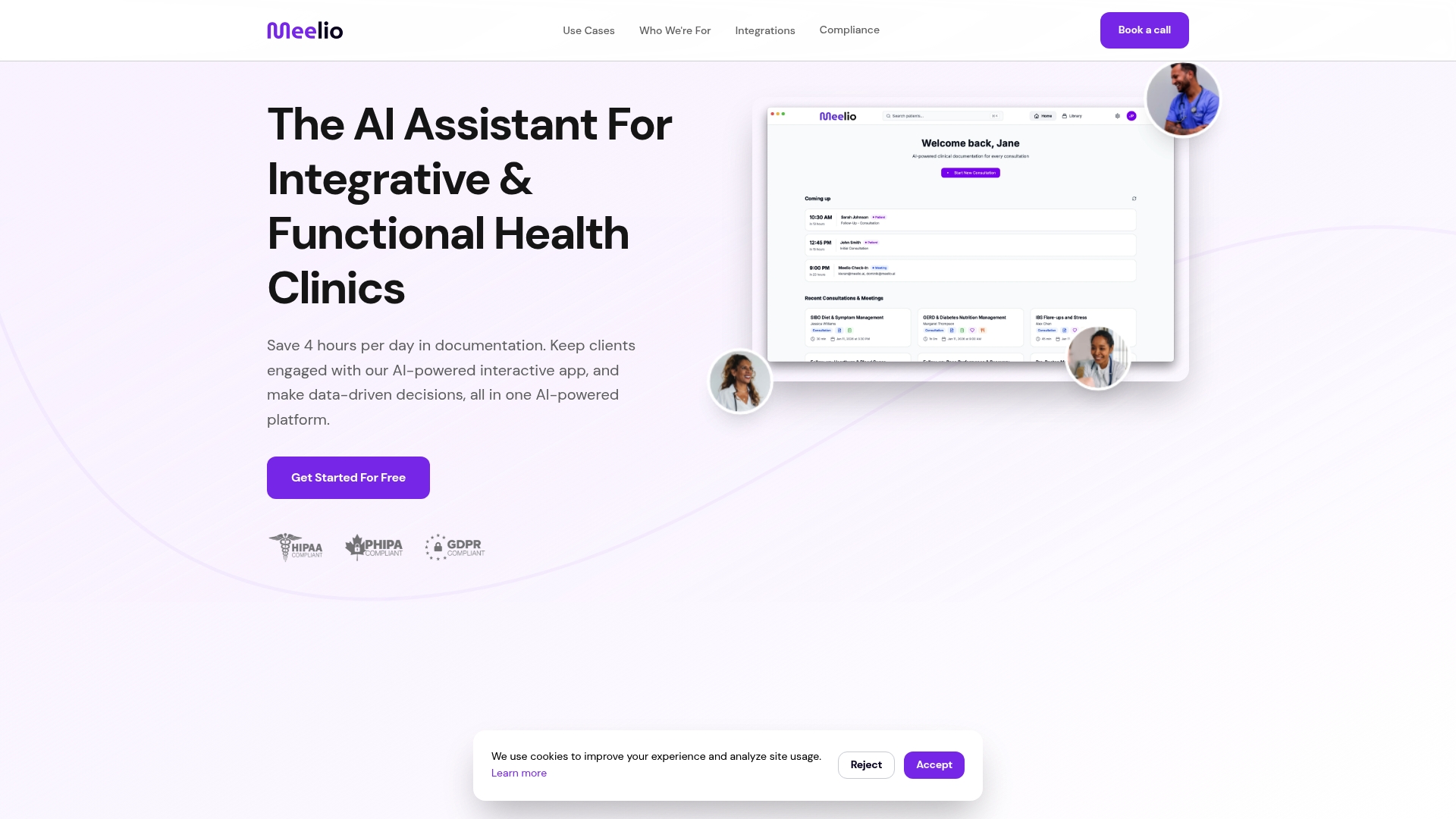
Meelio facilitates interdisciplinary collaboration through shared documentation that integrates with EHRs like Practice Better and Cerbo. Your entire care team accesses unified patient records, treatment goals, and progress notes, preventing siloed interventions and ensuring coordinated care delivery. The platform's AI meal planning capabilities generate custom nutrition protocols based on elimination diets, macronutrient targets, and food sensitivities, saving hours of manual meal plan creation. AI assistance for nutritionists and functional medicine practitioners streamlines workflow while enhancing the depth and personalization of patient care, helping you save 4+ hours daily while improving clinical outcomes.
Examples of integrative care plans - FAQ
What are key components of a functional integrative care plan?
Functional integrative care plans include comprehensive patient assessment with detailed histories and specialized labs, root-cause identification using frameworks like the Functional Medicine Matrix, personalized SMART goals spanning nutrition and lifestyle domains, phased interventions prioritizing foundational health systems, and dynamic monitoring with regular follow-ups for adjustments. Collaboration through shared documentation ensures all team members align on treatment goals and progress.
How do you customize integrative care plans for different chronic conditions?
Customization begins with disease-specific assessment protocols and lab panels that reveal underlying mechanisms. You then select interventions proven effective for that condition, such as elimination diets for IBD or mitochondrial support for neurodegenerative diseases. Adjust intervention intensity, sequencing, and monitoring frequency based on disease severity, patient readiness, and response patterns observed through follow-up visits and repeat testing.
What evidence supports integrative care improving patient outcomes?
Randomized controlled trials demonstrate integrative care reduces cancer-related fatigue by 30% and decreases acute care utilization by 25% through digital platforms delivering complementary therapies alongside conventional treatment. IBD functional medicine programs show improved symptom scores and quality of life with structured elimination diets and group education. Back pain integrative clinics using 70% nonpharmacological interventions achieve modest pain reduction and functional improvement compared to conventional care alone.
How can technology improve integrative care planning and documentation?
AI-powered platforms automate care plan generation based on patient data, reducing manual documentation time while ensuring evidence-based intervention selection. Integrated EHR systems enable shared documentation across interdisciplinary teams, preventing siloed care and missed interactions. Longitudinal lab analysis tools track biomarker trends over time, facilitating data-driven adjustments to supplement dosages and dietary protocols. Automated patient documentation streamlines workflow while maintaining comprehensive records for regulatory compliance and clinical decision-making.
What are common challenges when implementing integrative care plans?
Practitioners often struggle with time constraints for comprehensive assessments and care plan creation, lack of interdisciplinary coordination leading to conflicting recommendations, insufficient patient adherence to complex multi-modal interventions, and limited technology infrastructure for tracking outcomes across multiple domains. Addressing these challenges requires workflow automation, unified documentation systems, patient education strategies that build engagement, and regular team communication protocols that ensure alignment on treatment goals and progress.