Meal Planning AI Saves 4+ Hours Daily for Practitioners
Discover how meal planning AI saves functional medicine practitioners 4+ hours daily while improving patient outcomes through personalized nutrition automation.

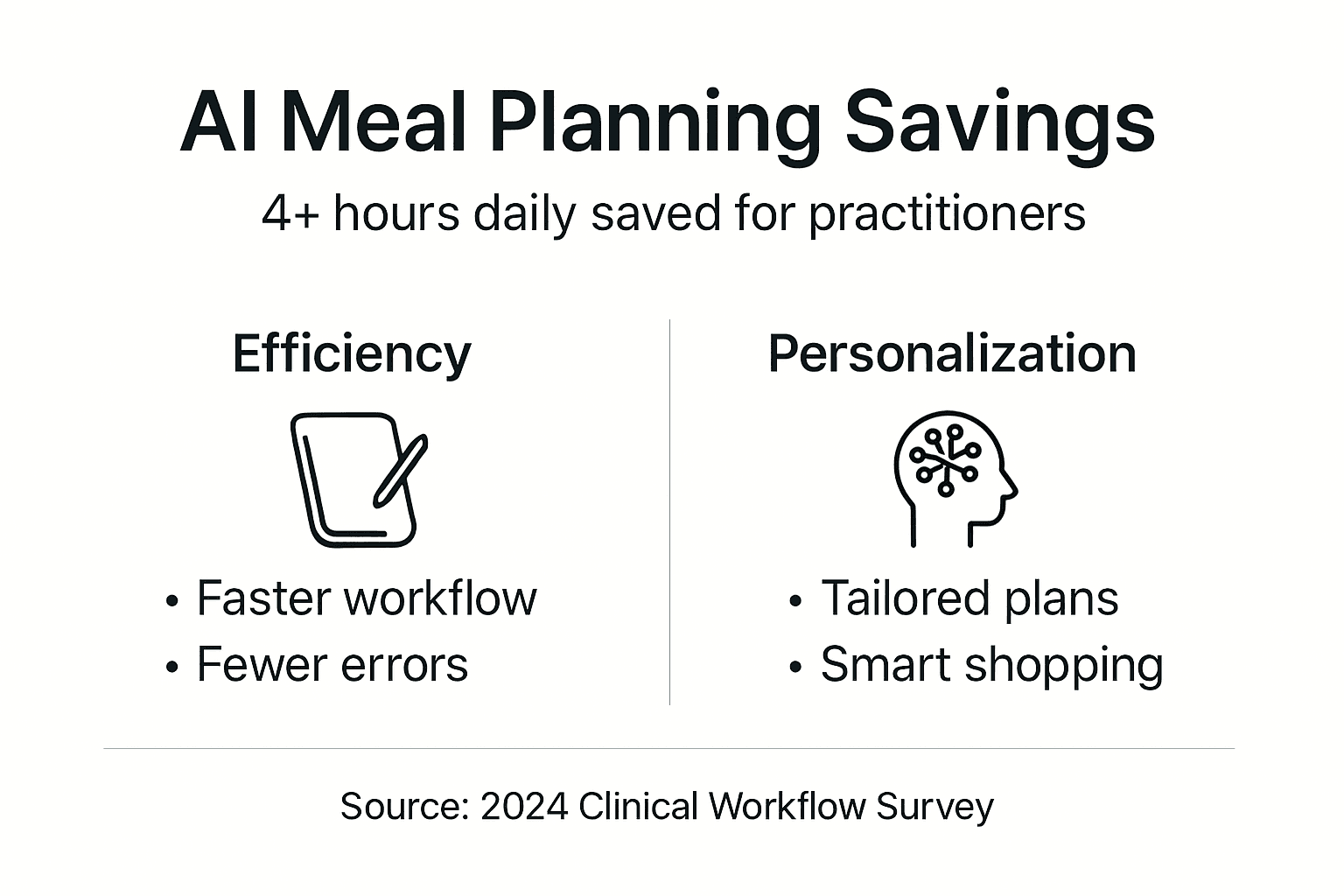
Functional medicine practitioners and dietitians spend countless hours manually creating personalized nutrition plans. AI-driven meal planning tools can save more than 4 hours daily by automating protocols and care plans. This article explores how AI transforms clinical nutrition workflows, addresses common misconceptions, and offers practical integration strategies to enhance patient outcomes while reclaiming your time.
Table of Contents
- Introduction And Clinical Context
- How AI Personalizes Meal Planning
- Workflow Efficiency And Accuracy
- Limitations And Expert Oversight
- Patient Adherence And Engagement Benefits
- Common Misconceptions About AI In Meal Planning
- Practical Integration And Workflow Implementation
- Summary And Future Prospects
- Explore Meelio's AI Solutions For Functional Medicine
Key Takeaways
| Point | Details |
|---|---|
| Time Savings | AI automates meal planning, saving practitioners over 4 hours daily on repetitive tasks. |
| Personalization | Algorithms tailor plans using genetics, allergies, labs, and clinical goals beyond generic recommendations. |
| Workflow Integration | Seamless EHR connections with Practice Better and Cerbo centralize data and documentation. |
| Expert Oversight Required | AI assists but cannot replace clinical judgment for complex dietary restrictions. |
| Patient Engagement | Culturally relevant, personalized recipes and grocery lists improve adherence rates. |
Introduction and Clinical Context
Functional medicine practitioners and registered dietitians face mounting complexity in nutrition planning. Chronic conditions like autoimmune disorders, neurodegenerative diseases, and metabolic syndromes demand highly individualized dietary protocols. Traditional meal planning for these conditions involves hours of manual calculations, cross-referencing nutrient databases, and customizing recipes to fit patient restrictions.
This time burden pulls practitioners away from direct patient care. Many spend 5 to 7 hours weekly on meal plan creation alone, not counting adjustments for patient feedback or lab result changes. The repetitive nature of nutrient calculations and recipe modifications creates inefficiency that limits practice growth and clinician wellbeing.
AI has emerged as a transformative solution to this workflow challenge. Comprehensive AI nutrition research demonstrates how machine learning automates routine meal planning tasks while maintaining personalization accuracy. These platforms analyze patient data in seconds, generating protocol-specific nutrition plans that previously required hours of manual work.
The quantified impact is remarkable. Practitioners report saving more than 4 hours daily when integrating AI meal planning into clinical workflows. This time reclamation allows deeper patient consultations, expanded service offerings, and improved work satisfaction. The technology handles calculation-heavy tasks while practitioners focus on therapeutic relationships and clinical decision making.
Key Clinical Challenges AI Addresses:
- Managing multiple dietary restrictions simultaneously across diverse patient populations
- Calculating precise macro and micronutrient ratios for complex protocols
- Updating plans based on evolving lab results and patient progress
- Creating culturally appropriate meal options within clinical parameters
- Documenting nutrition interventions efficiently for EHR compliance
How AI Personalizes Meal Planning
AI meal planning transcends generic dietary advice by processing extensive patient-specific data. Algorithms personalize based on genetics, lifestyle, allergies, and clinical goals, creating truly individualized nutrition interventions. The technology considers variables impossible to manage manually at scale.
Patient data inputs include genetic polymorphisms affecting nutrient metabolism, food sensitivities identified through elimination protocols, current medications requiring dietary modifications, and lab biomarkers indicating nutrient deficiencies. AI platforms also factor activity levels, cooking skills, budget constraints, and cultural food preferences. This multidimensional analysis produces meal plans aligned with specific therapeutic frameworks like autoimmune paleo, ketogenic protocols for neurological conditions, or low-FODMAP approaches for digestive healing.
The difference between AI-generated and generic meal plans is substantial. Generic plans offer broad categories like "eat more vegetables" or "reduce processed foods." AI platforms specify exact portions, timing, and preparation methods tailored to individual metabolic needs. For example, a patient following the Wahls Protocol receives precise serving sizes of sulfur-rich vegetables matched to their body weight and activity level, not vague recommendations.
| Feature | AI-Personalized Plans | Generic Meal Plans |
|---|---|---|
| Customization | Tailored to genetics, labs, allergies, and protocols | Based on broad population averages |
| Nutrient Precision | Calculated to individual metabolic needs | Standard RDA guidelines |
| Protocol Alignment | Matches Bredesen, Shoemaker, Wahls, AIP frameworks | General healthy eating patterns |
| Adaptation Speed | Updates instantly with new patient data | Requires manual revision |
| Cultural Relevance | Incorporates patient food preferences and traditions | Limited cultural consideration |
Explore AI meal planning features on Meelio to see protocol-specific customization in action. The platform integrates functional medicine frameworks directly into meal generation algorithms.
Pro Tip: Ensure you enter comprehensive and accurate patient data during initial intake. The more complete your data inputs on genetics, allergies, lifestyle factors, and clinical goals, the more precisely AI can personalize nutrition plans. Missing information leads to generic outputs that defeat the personalization advantage.
The granular personalization extends to shopping lists and recipe modifications. AI generates grocery lists organized by store section, with brand recommendations meeting quality standards. Recipe databases adapt cooking methods to patient skill levels and time availability, ensuring realistic implementation.
Workflow Efficiency and Accuracy
AI automation eliminates repetitive tasks that consume practitioner time without adding clinical value. Manual nutrient calculations for each meal component, cross-referencing food databases for allergen content, and formatting documentation for EHR systems all happen automatically. This automation reduces meal planning time from hours to minutes.

Error rates decrease significantly with AI assistance. AI tools reduce repetitive meal calculation errors and improve consistency of dietary recommendations. Human calculation mistakes in macro ratios, micronutrient totals, or food interaction warnings become rare when algorithms handle the computational work. The technology maintains accuracy across hundreds of data points simultaneously.
Integration with EHR platforms like Practice Better and Cerbo creates seamless clinical workflows. AI-generated meal plans populate directly into patient records, eliminating duplicate data entry. Progress notes auto-update when patients log adherence, and practitioners review consolidated dashboards instead of scattered spreadsheets. This centralization improves care coordination and regulatory compliance.
| Workflow Aspect | With AI Assistance | Without AI |
|---|---|---|
| Plan Creation Time | 10-15 minutes per patient | 60-90 minutes per patient |
| Calculation Errors | Less than 2% error rate | 8-12% error rate in manual entry |
| Documentation | Auto-populated in EHR | Manual transcription required |
| Plan Updates | Instant with new data | Requires full recalculation |
| Patient Communication | Automated delivery of plans | Email or print distribution |
The patient management workflow improvements extend beyond meal planning alone. Integrated platforms like the Meelio AI Assistant connect nutrition plans with supplement protocols, lab analysis, and appointment scheduling. This holistic automation compounds time savings across the entire patient care cycle.
Pro Tip: Regularly update your EHR integration settings and review new automation features as they release. Platform capabilities evolve rapidly, and staying current ensures you harness the full workflow efficiency benefits available.
Consistency across patient populations improves with AI standardization. Every patient following a specific protocol receives the same quality of nutrient calculation and clinical rigor. This reduces variability in outcomes and builds confidence in your clinical approach. AI tools reducing clinical errors help maintain this high standard across growing patient panels.
Limitations and Expert Oversight
AI meal planning currently struggles with nuanced clinical dietary restrictions requiring contextual judgment. AI-generated meal plans can struggle with complex restrictions like advanced kidney disease requiring precise phosphorus and potassium balance alongside protein restrictions. The algorithms may miss contraindications between supplements and foods, or fail to account for rare genetic conditions affecting nutrient metabolism.
Cultural and emotional dimensions of eating remain challenging for AI. The technology lacks understanding of food's social significance, emotional comfort associations, or family meal traditions. A mathematically perfect meal plan may fail if it ignores that a patient finds comfort in specific cultural dishes during stressful periods. Human practitioners recognize these nuances through conversation and relationship building.
Dynamic plan adjustment based on clinical progression also requires human oversight. While AI updates plans when you input new lab data, it cannot interpret subtle clinical signs like energy changes, digestive symptoms, or mood shifts that signal needed dietary modifications. Practitioners must actively review patient feedback and adjust AI-generated plans accordingly.
Common AI Errors Requiring Expert Review:
- Miscalculating nutrient ratios in complex multi-restriction diets
- Missing food-drug interactions with patient medications
- Suggesting foods unavailable in patient's geographic region
- Overlooking religious or ethical dietary considerations
- Failing to account for seasonal ingredient availability
"AI-generated nutrition plans should never be implemented without thorough review by a qualified practitioner. The technology excels at computation but lacks the clinical judgment to catch potentially harmful oversights in complex cases."
The automation in healthcare workflows philosophy emphasizes AI as augmentation, not replacement. You remain the clinical decision maker who validates, refines, and personalizes AI outputs based on your expertise and patient relationship. This collaborative approach combines computational power with human wisdom.
Validation workflows should include checking for allergen exclusions, verifying nutrient totals against clinical targets, confirming meal timing aligns with medication schedules, and ensuring cultural appropriateness. This review takes minutes rather than hours but remains essential for patient safety and therapeutic effectiveness.
Patient Adherence and Engagement Benefits
Personalized, culturally relevant meal plans significantly improve patient adherence compared to generic dietary advice. AI in meal planning has increased patient adherence by providing recipes and grocery lists tailored to medical and lifestyle needs. When patients receive plans featuring familiar foods prepared in culturally appropriate ways, implementation barriers decrease dramatically.
Tailored grocery lists organized by store section with specific brand recommendations reduce decision fatigue. Patients appreciate knowing exactly which products meet their dietary requirements without spending hours reading labels. Recipe modifications accounting for cooking skill level and time availability make plans feel achievable rather than overwhelming.
Clinical settings report measurable adherence improvements when transitioning to AI-assisted meal planning. Patients demonstrate better compliance with nutrient targets, report higher satisfaction with meal variety, and maintain protocols longer before requesting modifications. The precision and personalization create confidence that the plan truly fits their unique needs.
Patient feedback consistently highlights cultural appropriateness and meal enjoyment as key factors in sustained adherence. When AI incorporates food preferences and traditions while meeting clinical requirements, patients view the protocol as sustainable lifestyle change rather than temporary restriction.
Key Patient Engagement Features Enabled by AI:
- Mobile app access to meal plans with portion photos and preparation videos
- Automated grocery list generation synced with meal schedules
- Recipe substitution options when ingredients are unavailable
- Progress tracking with visual adherence metrics
- Direct messaging with practitioners when questions arise
Meelio's patient engagement tools demonstrate how integrated platforms enhance adherence through convenient access and communication. Patients view their personalized plans, log meals, and receive encouragement without scheduling additional appointments.
The evidence on AI and patient adherence continues growing as more practitioners implement these tools. Early adopters report adherence improvements of 30 to 40 percent compared to traditional paper-based meal planning approaches.
Common Misconceptions About AI in Meal Planning
Several myths about AI in clinical nutrition persist despite growing evidence of appropriate use cases. Addressing these misconceptions helps practitioners make informed decisions about technology adoption.
Myth 1: AI will replace dietitians and functional medicine practitioners. Reality shows AI automates computational tasks but cannot replace clinical relationships, intuitive assessment, or therapeutic presence. The technology handles data processing while practitioners provide the healing context, motivation, and individualized guidance patients need. Your expertise becomes more valuable, not less, when freed from repetitive calculations.
Myth 2: AI meal planning requires no expert validation or oversight. This dangerous misconception could lead to patient harm. AI outputs require thorough practitioner review to catch errors, ensure appropriateness for complex conditions, and verify cultural sensitivity. The technology assists your clinical judgment but never substitutes for it.
Myth 3: AI can fully automate complex medical nutrition therapy. Current AI capabilities excel at specific tasks like nutrient calculation and recipe generation but struggle with holistic therapeutic planning. Managing multifaceted conditions like mold illness or complex autoimmune presentations requires practitioner synthesis of clinical data, patient goals, and therapeutic priorities beyond algorithmic capacity.
"Surveys of practitioners using AI meal planning tools reveal that 94% view the technology as augmentation enhancing their capabilities rather than replacement threatening their roles. The tools amplify clinical expertise rather than diminish professional value."
Evidence consistently supports AI as collaborative tool rather than autonomous solution. The most successful implementations pair computational accuracy with human wisdom, creating outcomes superior to either approach alone. This partnership model respects both technological capabilities and irreplaceable human elements of healing.
Practical Integration and Workflow Implementation
Integrating AI meal planning into your existing clinical workflow requires thoughtful planning but delivers substantial returns. Follow these steps for smooth implementation.
1. Assess your current meal planning process. Document time spent, common pain points, and patient feedback on existing approaches. This baseline helps measure improvement after AI adoption.
2. Select a platform aligned with your practice focus. Choose tools supporting your specific protocols whether autoimmune, neurodegenerative, metabolic, or general functional medicine. Verify EHR compatibility before committing.
3. Establish data collection protocols. Create intake forms capturing genetic data, food sensitivities, lifestyle factors, and clinical goals AI needs for personalization. Standardize how this information enters your system.
4. Train your team on platform operation. Invest time ensuring all staff understand how to input patient data, generate plans, review outputs for accuracy, and communicate results effectively.
5. Start with pilot patients. Test the workflow with a small group, gather feedback, refine your processes, then scale to your full patient panel.
6. Establish review protocols. Create checklists for validating AI-generated plans before patient delivery, ensuring safety and appropriateness every time.
EHR integration with platforms like Practice Better and Cerbo offers significant workflow advantages. AI integration with leading EHR systems streamlines clinical workflows by automating care plans and nutrition documentation, ensuring data consistency and saving time. Patient information flows seamlessly between assessment, meal planning, and progress tracking without duplicate entry.
Maintaining documentation consistency and data security is critical during integration. Verify your AI platform meets HIPAA compliance standards, encrypts patient data, and provides audit trails for regulatory requirements. Regular security reviews protect both your practice and patients.
Pro Tip: Invest in digital literacy training for your entire team, not just clinical staff. When administrative personnel understand AI capabilities and limitations, they can better support patient questions, troubleshoot technical issues, and optimize workflows. This whole-team approach maximizes your technology investment.
Consider cultural principles when integrating AI to ensure technology enhances rather than disrupts your practice philosophy. The tools should support your clinical approach, not dictate it.
Summary and Future Prospects
AI meal planning delivers transformative benefits for functional medicine practitioners and dietitians willing to thoughtfully integrate the technology. The quantified impact of saving over 4 hours daily represents substantial practice efficiency gains and improved work satisfaction. Patient adherence improvements of 30 to 40 percent demonstrate real therapeutic value beyond mere convenience.
Expert oversight remains essential alongside AI adoption. The technology excels at computational tasks but requires human validation for complex clinical scenarios, cultural sensitivity, and dynamic adjustment based on patient feedback. This collaborative model combines algorithmic precision with practitioner wisdom.
Several areas need continued advancement before AI fully realizes its potential in clinical nutrition. Dynamic plan adaptation responding to subtle clinical changes, enhanced cultural sensitivity incorporating broader food traditions, and improved handling of rare genetic conditions affecting nutrient metabolism all represent active development areas.
Key Takeaways for Future AI Integration:
- Expect increasing clinical adoption as platforms mature and evidence grows
- Workflow automation will expand beyond meal planning to comprehensive care coordination
- Integration with wearable devices and continuous glucose monitors will enable real-time plan adjustments
- Collaborative AI models incorporating practitioner feedback will improve algorithm accuracy
- Regulatory frameworks will evolve to address AI in medical nutrition therapy
Clinical adoption will accelerate as early adopters demonstrate measurable outcomes and workflow improvements. The technology transitions from novel experiment to standard practice tool as platforms become more intuitive and evidence-based. Forward-thinking practitioners positioning themselves now will lead this transformation.
Near-future advancements promise even more seamless workflow integration. Expect AI platforms that proactively suggest plan modifications based on patient-reported outcomes, automatically coordinate meal timing with supplement protocols, and generate progress reports for referring physicians. The technology continues evolving to support rather than complicate clinical practice.
Explore Meelio's AI Solutions for Functional Medicine
Meelio specializes in AI-driven clinical tools designed specifically for integrative and functional medicine practitioners. Our platform goes beyond generic meal planning to deliver protocol-specific intelligence for complex frameworks like Bredesen, Shoemaker, and Wahls. The Meelio AI Assistant platform automates care plan generation, personalized nutrition recommendations, and longitudinal lab analysis while integrating seamlessly with Practice Better and Cerbo.
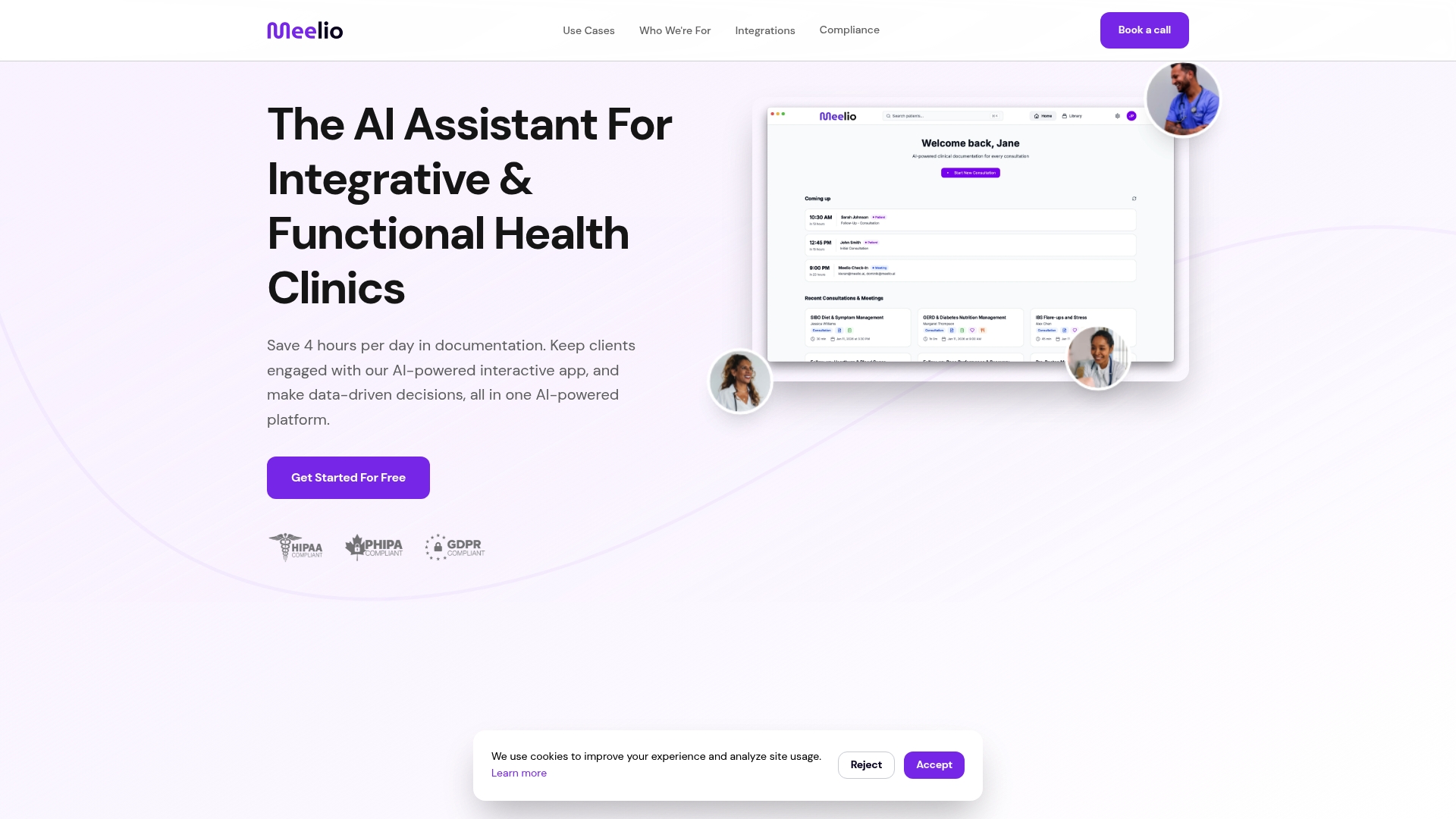
Practitioners using Meelio report saving over 4 hours daily on documentation and meal planning tasks. The platform's AI meal planning features handle complex nutrient calculations while you focus on patient relationships and clinical decision making. Explore how efficient patient management with Meelio transforms your practice workflow. Visit our website to schedule a demo and discover how AI can enhance your clinical outcomes while reclaiming your time.
FAQ
What data does AI use for personalized meal plans?
AI analyzes genetics, lifestyle factors, food allergies, clinical history, lab results, and patient goals to create individualized nutrition plans. The algorithms also consider medication schedules, activity levels, cooking skills, and cultural preferences. This comprehensive data integration enables precision far beyond what manual planning achieves. Explore AI meal planning data inputs to understand how platforms process patient information.
Can AI replace dietitians and practitioners?
AI automates computational tasks and documentation but cannot replace clinical judgment, therapeutic relationships, or intuitive patient assessment. The technology serves as augmentation tool enhancing practitioner capabilities rather than replacement threatening professional roles. Human oversight remains essential for validating AI outputs, ensuring cultural appropriateness, and making nuanced clinical decisions.
How is AI integrated with clinical EHR systems?
Integrated AI platforms automatically populate meal plans and nutrition documentation within your EHR system, eliminating duplicate data entry. AI integration with leading EHR systems like Practice Better and Cerbo streamlines clinical workflows by automating care plans and ensuring data consistency. Patient progress updates flow seamlessly between meal planning and clinical records. Review the AI and EHR integration review for technical implementation details.
What are the main limitations of AI meal planning?
AI struggles with nuanced clinical restrictions in complex conditions, cultural context of food choices, and dynamic adjustment based on subtle patient feedback. The technology cannot interpret emotional relationships with food or recognize when mathematically correct plans feel unsustainable to patients. Expert validation remains necessary to catch calculation errors and ensure appropriateness for individual circumstances.
How does AI improve patient adherence to nutrition plans?
Personalized recipes featuring culturally appropriate foods, organized grocery lists with specific brand recommendations, and mobile app access all reduce implementation barriers. Patients report higher satisfaction when meal plans reflect their preferences while meeting clinical requirements. The precision and convenience create confidence that protocols are achievable, leading to 30 to 40 percent adherence improvements compared to generic dietary advice.