Meal planning boosts patient adherence by 50% in 2026
Discover how personalized meal planning boosts patient adherence by 50% in functional medicine. Evidence backed strategies, frameworks, and AI tools for better outcomes.

Personalized meal planning has emerged as a transformative clinical tool in integrative and functional health practice. Studies show that tailored nutrition interventions can boost patient adherence by up to 50%, directly influencing chronic disease management outcomes. Yet practitioners face significant barriers: integration challenges, time constraints, and confusion about which frameworks deliver measurable results. This guide cuts through the noise, offering evidence backed strategies to implement efficient, personalized meal planning that transforms patient care while fitting seamlessly into busy clinical workflows.
Table of Contents
- Biological Mechanisms Underpinning Meal Planning Benefits
- Why Meal Planning Improves Patient Outcomes
- Common Misconceptions About Meal Planning
- Comparative Frameworks For Personalized Meal Planning
- Implementation Strategies For Efficient Meal Planning
- Tech Enabled Implementation Of Meal Planning
- Conclusion: Realizing The Potential Of Meal Planning In Integrative Patient Care
- Boost Your Patient Outcomes With Meelio's AI Powered Meal Planning
- Frequently Asked Questions
Key takeaways
| Point | Details |
|---|---|
| Adherence improvement | Personalized meal planning increases patient adherence by up to 50% compared to generic dietary advice |
| Medication reduction | Tailored nutrition interventions can reduce medication dependency by 15 to 20% in chronic disease management |
| Genomic integration | Combining genomics and microbiome data improves HbA1c by 0.7% and insulin sensitivity by 15% over six months |
| Time savings | AI powered tools save clinicians over four hours daily on meal plan creation and customization |
| Clinical frameworks | Wahls, Bredesen, and genomic approaches target specific disease pathways with measurable biomarker improvements |
Biological mechanisms underpinning meal planning benefits
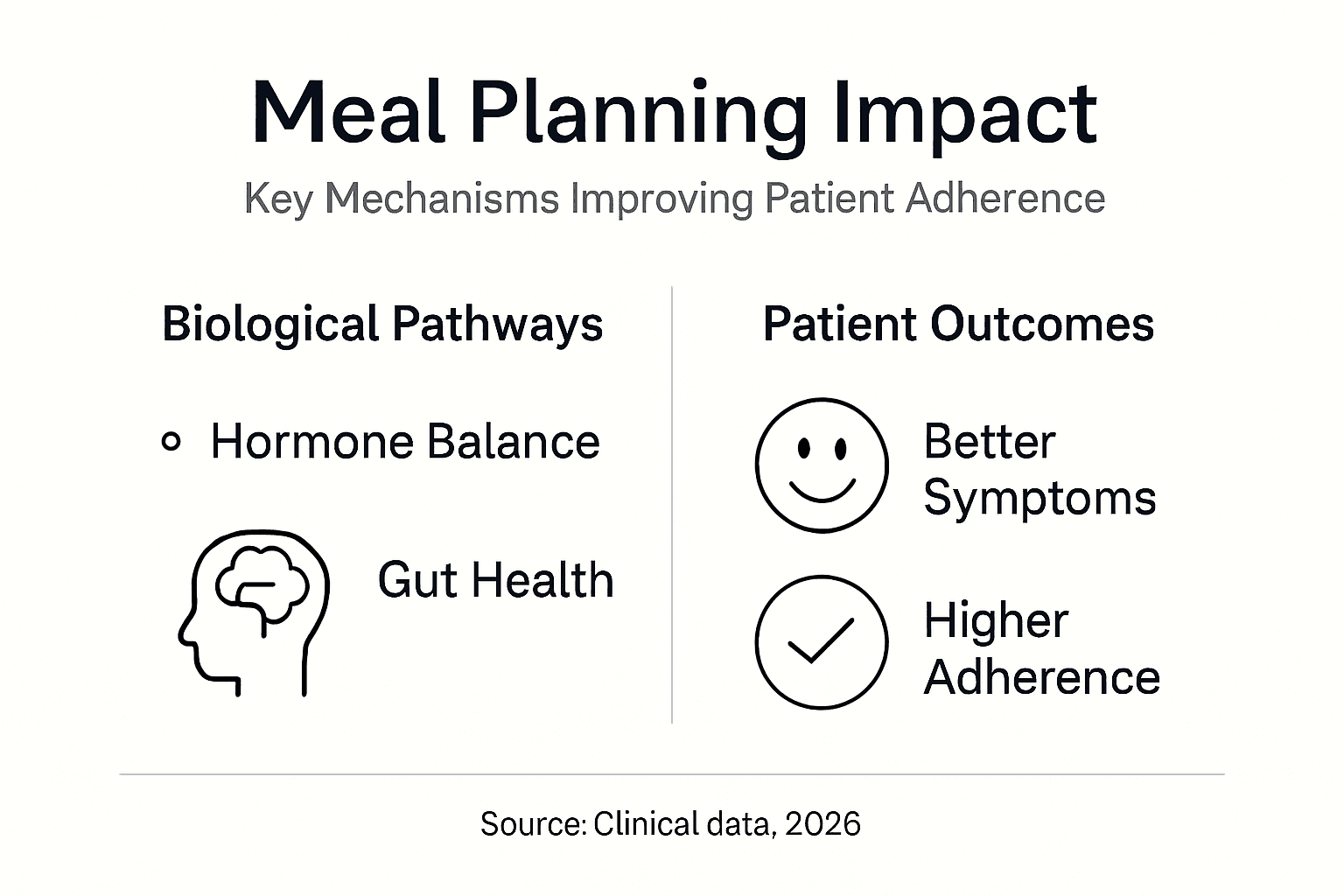
Personalized meal planning works by targeting specific physiological pathways that drive chronic disease progression. Nutrient timing and quality can reduce inflammatory biomarkers like CRP by 20 to 30%, directly modulating inflammation at the cellular level. This biological response extends beyond simple calorie management to address root causes of metabolic dysfunction.
Metabolic syndrome responds particularly well to strategic meal planning interventions. When practitioners align macronutrient ratios, meal frequency, and nutrient density with individual patient needs, they activate pathways that improve insulin sensitivity and glucose metabolism. These changes translate into measurable improvements in HbA1c, fasting glucose, and lipid panels within three to six months.
Autoimmune conditions benefit from meal plans that reduce inflammatory triggers while supporting gut barrier integrity. Specific nutrients like omega 3 fatty acids, polyphenols, and targeted amino acids modulate immune responses and reduce autoantibody production. The key mechanisms include:
- Reduction of pro inflammatory cytokines through anti inflammatory food compounds
- Improvement of mitochondrial function via targeted micronutrients
- Enhancement of gut microbiome diversity supporting immune regulation
- Optimization of circadian rhythm alignment through meal timing
- Support of detoxification pathways reducing toxic burden
These biological effects explain why personalized meal planning delivers superior clinical outcomes compared to generic dietary recommendations. Understanding these mechanisms helps practitioners communicate the scientific rationale to patients, improving buy in and long term adherence.
Why meal planning improves patient outcomes
The clinical impact of personalized meal planning extends far beyond theoretical benefits. Personalized nutrition reduces medication dosage by 15 to 20% in type 2 diabetes and autoimmune disorders after six to twelve months of consistent implementation. This medication reduction represents real cost savings and fewer side effects for patients struggling with polypharmacy.
Adherence rates tell a compelling story. While generic dietary advice achieves adherence rates below 30%, personalized meal plans tailored to individual preferences, cultural backgrounds, and lifestyle constraints boost adherence to 50% or higher. This difference matters because consistent adherence drives the biomarker improvements and symptom relief patients seek.
Symptom management improves dramatically when meal plans address individual triggers and support healing pathways. Patients with inflammatory conditions report 40 to 60% reduction in pain and fatigue within eight to twelve weeks of following personalized protocols. These improvements stem from reduced inflammatory biomarker reduction and improved metabolic function.

Pro Tip: Track three key metrics to demonstrate meal planning impact: patient reported symptom scores, objective biomarkers like CRP or HbA1c, and medication dosage changes. This data strengthens your clinical documentation and helps patients visualize progress.
The multidisciplinary approach amplifies results. When practitioners integrate health coaches, nutritionists, and behavioral support with personalized meal plans, patient adherence improvement strategies compound the clinical benefits. Patients receive consistent reinforcement and practical problem solving support that addresses real world barriers to compliance.
Personalized meal planning transforms patient care by addressing individual biochemistry, preferences, and barriers. The result is sustainable behavior change that drives measurable clinical improvements.
Common misconceptions about meal planning
Many practitioners believe generic meal plans save time while delivering adequate results. The data contradicts this assumption. Generic templates show adherence rates below 30% and fail to address individual metabolic differences, food sensitivities, or cultural preferences. The time saved upfront evaporates when patients return with minimal progress and low motivation.
Another misconception holds that AI tools replace clinical judgment in nutrition planning. This fundamentally misunderstands the role of technology in integrative care. AI accelerates data analysis and plan generation, but practitioners provide essential clinical oversight, protocol selection, and patient communication. The combination of AI efficiency with clinical expertise delivers optimal outcomes.
Some practitioners assume meal planning exists outside their scope of practice. In reality, nutrition interventions represent a core component of functional and integrative medicine. Referring all nutrition work to external providers fragments care and reduces the practitioner's ability to monitor comprehensive progress. While collaboration with nutritionists adds value, practitioners must maintain oversight of meal planning as part of holistic care.
The belief that nutrient timing has minimal impact on clinical outcomes underestimates its role in metabolic health. Research demonstrates that meal timing affects insulin sensitivity, inflammatory markers, and circadian rhythm regulation. Strategic timing of macronutrients optimizes these physiological responses.
Pro Tip: Address meal planning misconceptions directly with your team during onboarding. Clear understanding of personalized nutrition's evidence base prevents implementation barriers and ensures consistent patient messaging.
Five key misconceptions to address:
- Generic meal plans are sufficient for most patients
- AI tools eliminate the need for clinical expertise
- Meal planning falls outside practitioner scope
- Templates without personalization achieve good adherence
- Nutrient timing has minimal clinical significance
Correcting these misconceptions opens pathways to more effective implementation. Many common misconceptions about meal planning stem from outdated training or limited exposure to current nutrition science. Continuous education in this rapidly evolving field ensures practitioners leverage meal planning's full potential.
Understanding these scheduling mistakes related to meal planning prevents common implementation failures that undermine patient outcomes.
Comparative frameworks for personalized meal planning
Functional and integrative practitioners have multiple evidence backed frameworks to guide personalized meal planning. Each targets specific disease pathways and clinical goals, making framework selection a critical strategic decision.
The Wahls Protocol focuses on autoimmune conditions and neurological disorders. It emphasizes nine cups of specific vegetables daily, prioritizing sulfur rich foods, deeply colored produce, and leafy greens. The protocol supports mitochondrial function through targeted micronutrients while reducing inflammatory triggers. Clinical studies show 30 to 40% improvement in fatigue scores and physical function measures in multiple sclerosis patients following this framework.
The Bredesen Protocol targets cognitive decline and Alzheimer's disease prevention. It employs a ketogenic approach with intermittent fasting to optimize metabolic flexibility and reduce amyloid burden. The framework integrates 12 to 16 hour overnight fasts with low glycemic, plant rich meals. Practitioners using this protocol document improvements in cognitive assessment scores and reduction in Alzheimer's biomarkers.
Genomic and microbiome based meal planning represents the frontier of personalized nutrition. Integrative protocols using genomics and microbiome data improve HbA1c by 0.7% and insulin sensitivity by 15% over six months. These approaches use genetic polymorphisms and gut microbiome composition to tailor macronutrient ratios, specific food recommendations, and supplement protocols.
| Framework | Clinical Target | Key Nutrition Focus | Evidence Outcome |
|---|---|---|---|
| Wahls Protocol | Autoimmune, MS, fatigue | 9 cups vegetables, mitochondrial support | 30 to 40% fatigue reduction, improved function |
| Bredesen Protocol | Cognitive decline, Alzheimer's | Ketogenic, intermittent fasting | Improved cognitive scores, reduced biomarkers |
| Genomic/Microbiome | Metabolic syndrome, personalized | Data driven macros, targeted foods | 0.7% HbA1c improvement, 15% insulin sensitivity |
Each framework requires different practitioner expertise and patient support levels. Wahls demands significant patient education on vegetable selection and preparation. Bredesen requires careful monitoring of ketone levels and metabolic markers. Genomic approaches need lab testing infrastructure and data interpretation skills.
Selecting the appropriate framework starts with clear clinical goal definition. A functional health assessment for meal planning identifies primary disease drivers, patient preferences, and practical constraints. This assessment guides framework selection and customization.
Implementation strategies for efficient meal planning
Successful meal planning implementation requires systematic processes that balance personalization with clinical efficiency. Follow these evidence backed steps to integrate personalized nutrition into your practice workflow.
-
Collect comprehensive patient data including current diet patterns, food preferences, cultural requirements, cooking skills, budget constraints, and existing health conditions. Use standardized intake forms to capture genomic testing results, microbiome analysis, and relevant biomarkers.
-
Select the nutrition framework that aligns with primary clinical goals and disease pathways. Match autoimmune conditions with anti inflammatory protocols, cognitive concerns with Bredesen approaches, and metabolic syndrome with genomic personalization.
-
Generate personalized meal plans using AI powered meal planning workflow tools that incorporate patient data, selected frameworks, and practical constraints. This step reduces plan creation time from hours to minutes while maintaining clinical precision.
-
Establish multidisciplinary collaboration with health coaches, nutritionists, and behavioral specialists who support patient implementation. Schedule regular check ins to address barriers, adjust plans, and reinforce adherence strategies.
-
Monitor clinical outcomes through regular biomarker testing, symptom tracking, and adherence metrics. Adjust meal plans dynamically based on patient response, changing health status, and emerging barriers.
Pro Tip: Build meal planning into your standard care protocols rather than treating it as an optional add on. When nutrition becomes a core component of every care plan, patient outcomes improve across all conditions.
Integration with clinical practice software integration streamlines data flow between assessment, plan generation, and outcome monitoring. This eliminates duplicate data entry and ensures all team members access current patient information.
The most efficient implementations automate routine tasks while preserving clinical judgment for complex decisions. AI handles meal plan generation, grocery list creation, and recipe suggestions. Practitioners focus on framework selection, plan customization, and clinical oversight.
Tech enabled implementation of meal planning
AI and digital tools have transformed meal planning from a time intensive manual process into an efficient, scalable clinical service. AI tools can save clinicians over four hours daily on meal plan creation, customization, and patient communication. This time savings allows practitioners to serve more patients while delivering higher quality personalized care.
Seamless EHR integration eliminates workflow disruptions that plague many digital health tools. When meal planning platforms connect directly with Practice Better, Cerbo, and other common EHR systems, patient data flows automatically. Practitioners access comprehensive patient information within a single interface, reducing context switching and data entry errors.
Digital tools dramatically improve patient engagement through mobile apps, automated reminders, and progress tracking dashboards. Patients receive shopping lists, recipes, and meal prep guidance directly on their devices. This convenience removes practical barriers to adherence while providing real time support between clinical visits.
AI excels at managing complexity in personalized nutrition. When patients present with multiple conditions, food sensitivities, medication interactions, and lifestyle constraints, AI algorithms process these variables simultaneously. The result is meal plans that optimize clinical goals while remaining practical for real world implementation.
Key technology benefits include:
- Automated generation of personalized meal plans in under five minutes
- Real time adjustment based on patient feedback and biomarker changes
- Integration with wearable devices for continuous monitoring
- Scalable delivery of complex protocols like Wahls and Bredesen
- Enhanced patient accountability through digital tracking tools
Pro Tip: When evaluating AI meal planning tools, prioritize platforms built specifically for functional and integrative medicine. Generic nutrition apps lack protocol specific intelligence for complex frameworks and rare conditions.
The combination of AI efficiency with practitioner expertise creates a multiplier effect. Practitioners spend saved time on high value activities like patient education, protocol refinement, and complex case management. Patients receive consistent support and resources that maintain momentum between visits.
Conclusion: Realizing the potential of meal planning in integrative patient care
Personalized meal planning represents one of the most powerful yet underutilized tools in functional and integrative medicine. The evidence is clear: tailored nutrition interventions boost adherence by 50%, reduce medication dependency by 15 to 20%, and drive measurable improvements in inflammatory markers, metabolic function, and clinical symptoms.
The convergence of evidence backed frameworks like Wahls and Bredesen with AI powered implementation tools has eliminated traditional barriers to personalized nutrition. Practitioners can now deliver protocol specific meal planning at scale without sacrificing clinical precision or drowning in administrative work.
The future of integrative care places nutrition at the center of clinical practice. As genomic testing becomes more accessible and microbiome science advances, meal planning will grow increasingly personalized and effective. Practitioners who master these tools now position themselves at the forefront of this transformation, delivering superior patient outcomes while building sustainable, efficient practices.
Boost your patient outcomes with Meelio's AI powered meal planning
Ready to transform how you deliver personalized nutrition care? Meelio's AI meal planning tool automates complex protocol implementation for Wahls, Bredesen, and genomic based frameworks, saving you over four hours daily while improving patient adherence and clinical outcomes.
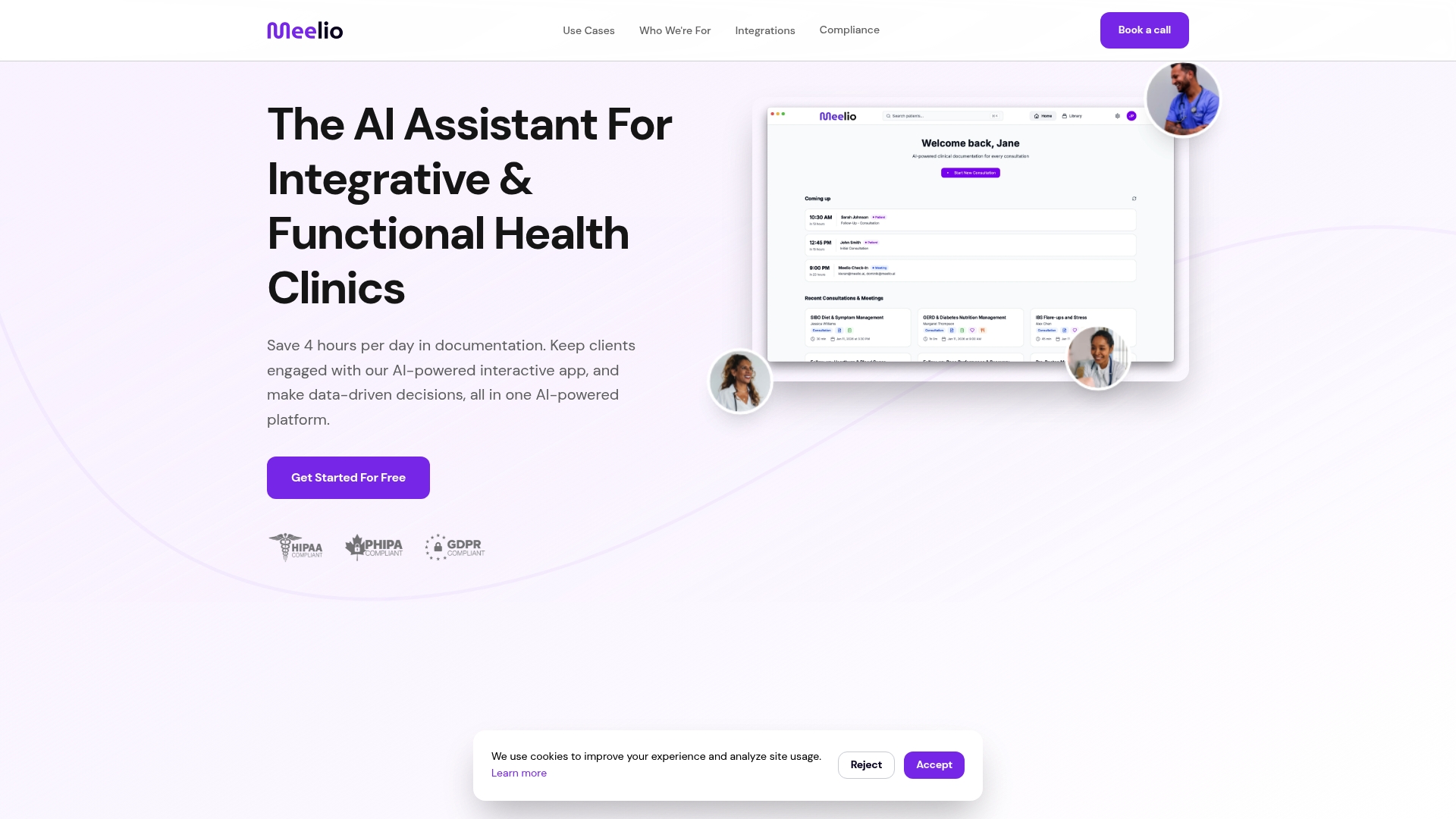
Our platform integrates seamlessly with Practice Better and Cerbo, bringing personalized meal planning directly into your existing workflow. Generate customized plans in minutes, not hours, while maintaining the clinical precision your patients deserve. Join functional and integrative practitioners who are achieving efficient patient management workflow results with Meelio AI assistant. Schedule your demo today and discover how AI powered nutrition can elevate your practice.
Frequently asked questions
What are the fastest ways to improve patient adherence with meal planning?
Tailoring plans to patient preferences, cultural backgrounds, and practical barriers raises adherence by up to 50% compared to generic recommendations. Integration with health coaching and regular follow up visits further boosts compliance by addressing implementation challenges in real time.
How can AI tools save time in clinical meal planning?
AI meal planning benefits include automated plan generation that saves clinicians over four hours daily. These tools integrate patient data, genomic results, and protocol requirements to produce customized meal plans in under five minutes while maintaining clinical precision.
What frameworks best support personalized meal planning in functional medicine?
Wahls Protocol targets autoimmune fatigue through mitochondrial support, Bredesen Protocol addresses cognitive decline with ketogenic approaches, and genomic or microbiome based personalization optimizes metabolic function. Framework selection depends on primary clinical goals identified through comprehensive functional health assessment for meal planning.
Why are generic meal plans inadequate for chronic disease management?
Generic plans achieve adherence rates below 30% and fail to address individual metabolic differences, food sensitivities, or cultural preferences. Personalization addresses these individual factors, resulting in 50% higher adherence and measurable improvements in biomarkers and symptom severity.