Predictive analytics in integrative medicine: Enhance care 2026
Discover how predictive analytics transforms integrative medicine in 2026, improving patient outcomes by 20-30% through personalized, data-driven treatment plans.

Integrative medicine practitioners once relied on intuition and general protocols, but predictive analytics now transforms this landscape with precision. By analyzing genomics, biomarkers, and patient data, AI in functional medicine personalized care 2026 enables treatment plans tailored to individual physiology. Studies demonstrate that personalized interventions improve patient outcomes by 20-30% compared to conventional approaches. Modern AI platforms integrate diverse data streams, automating workflows and revealing patterns invisible to traditional methods. This shift from reactive to predictive care represents the future of integrative practice in 2026.
Table of Contents
- Understanding Predictive Analytics And Its Role In Integrative Medicine
- Key Predictive Analytics Models And Frameworks Transforming Patient Treatment
- Addressing Data Challenges And Ethical Considerations In Predictive Analytics
- Applying Predictive Analytics To Improve Patient Outcomes And Clinical Workflows
- Enhance Your Integrative Practice With Meelio's AI Solutions
Key takeaways
| Point | Details |
|---|---|
| Personalized precision | Predictive analytics tailors treatment plans to individual patient data, improving outcomes significantly |
| Multi-modal integration | AI synthesizes genomics, imaging, EHR, and wearable data for comprehensive clinical insights |
| Data challenges | Fragmentation and standardization issues require robust governance and quality assurance protocols |
| Biomarker models | Advanced algorithms achieve over 97% accuracy in risk prediction and early disease detection |
| Clinical impact | Digital integrative programs reduce symptom severity and acute healthcare utilization measurably |
Understanding predictive analytics and its role in integrative medicine
Predictive analytics applies machine learning algorithms to patient data, forecasting health trajectories and optimizing interventions before symptoms escalate. In integrative medicine, this means analyzing complex datasets to identify root causes and personalize protocols. Multi-modal AI integrates genomics, imaging, electronic health records, and multi-omics data for clinical insights that enhance early disease detection and treatment precision.
Unlike conventional medicine's one-size-fits-all approach, predictive models in integrative practice consider genetic predispositions, microbiome composition, inflammatory markers, and lifestyle factors simultaneously. This holistic view reveals why two patients with identical diagnoses respond differently to the same intervention. By stratifying risk and predicting responses, practitioners allocate resources efficiently and avoid trial-and-error prescribing.
Key data inputs powering these models include:
- Genomic sequences revealing genetic variants affecting drug metabolism and disease susceptibility
- Proteomics data showing protein expression patterns linked to inflammation and cellular stress
- Metabolomics profiles indicating nutrient deficiencies and metabolic dysfunction
- Microbiome analyses identifying dysbiosis patterns contributing to chronic conditions
- Wearable device metrics tracking sleep quality, heart rate variability, and activity levels
- Laboratory biomarkers measuring hormones, vitamins, and inflammatory cytokines
- Electronic health records documenting symptoms, medications, and treatment responses
Effective integrative health outcomes depend on seamless data integration across these sources. Fragmented systems limit predictive power, while unified platforms enable algorithms to detect subtle correlations between genetic markers and treatment efficacy. Practitioners who master data integration unlock the full potential of precision medicine, transforming patient care from reactive symptom management to proactive health optimization.
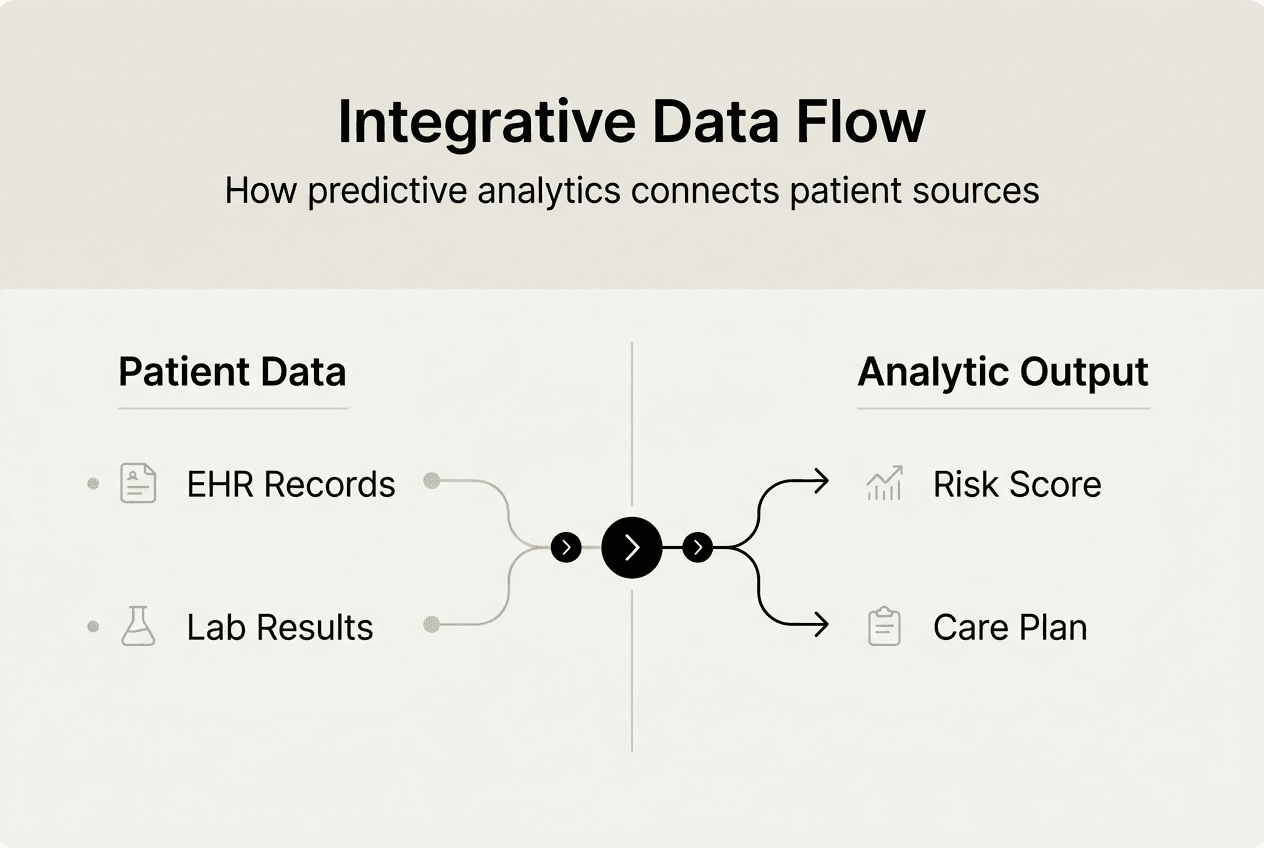
The shift toward data-driven practice requires new technical competencies but delivers measurable clinical benefits. Patients experience faster symptom resolution, fewer adverse reactions, and improved long-term outcomes when treatments align with their unique biological profiles.
Key predictive analytics models and frameworks transforming patient treatment
Several machine learning architectures power predictive analytics in integrative medicine, each offering distinct advantages for specific clinical applications. Random Forest models excel at handling complex, non-linear relationships in multi-dimensional datasets. One study demonstrated 97.82% accuracy predicting psychological health risks in pregnant women using this approach, showcasing its potential for early intervention strategies.
Multi-omics frameworks integrate diverse biological data layers to create comprehensive patient profiles. Genomics reveals inherited susceptibilities, proteomics shows current cellular activity, and metabolomics indicates real-time biochemical states. The AI and multi-omics framework enables tailored treatment by synthesizing these data types into actionable clinical intelligence. This holistic approach aligns perfectly with integrative medicine's systems biology perspective.
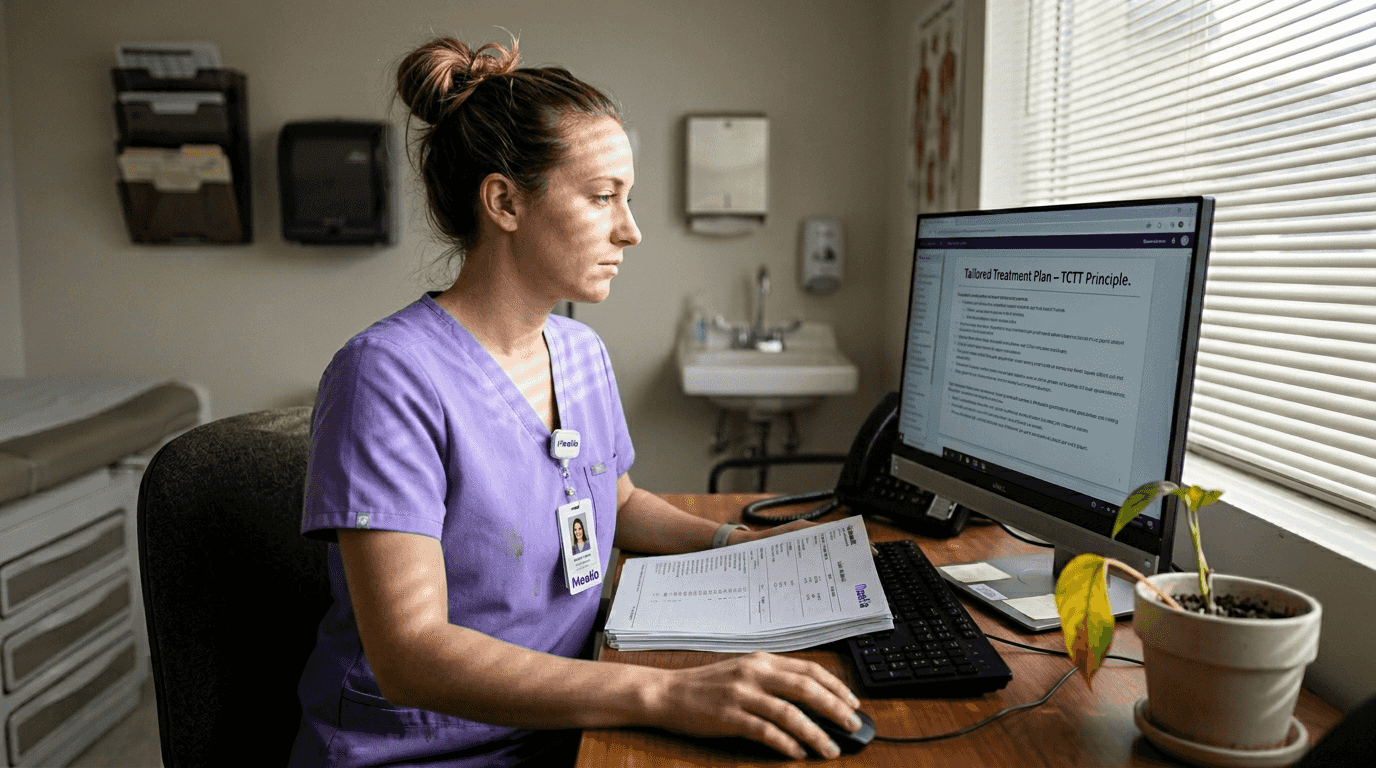
The Three Causes Tailored Treatment (TCTT) principle represents a paradigm shift in precision medicine. Rather than addressing symptoms in isolation, TCTT identifies root causes across genetic, environmental, and lifestyle domains. When combined with AI, this framework automates the complex task of connecting disparate data points to underlying pathology. Next-generation precision medicine leverages these technologies to become the clinical standard in 2026.
| Model Type | Primary Use Case | Typical Accuracy | Key Advantage |
|---|---|---|---|
| Random Forest | Risk stratification | 95-98% | Handles non-linear data relationships |
| Neural Networks | Pattern recognition | 90-95% | Discovers hidden correlations |
| Gradient Boosting | Outcome prediction | 93-97% | High precision with structured data |
| Support Vector Machines | Classification tasks | 88-94% | Effective with limited datasets |
| Ensemble Methods | Multi-factorial analysis | 94-98% | Combines multiple model strengths |
Pro Tip: Balance model complexity with interpretability when selecting algorithms for clinical use. Black box models may achieve higher accuracy but offer limited insight into decision-making processes, while simpler models like decision trees provide transparent reasoning that builds patient trust and regulatory compliance.
Protocol-specific AI integrative health 2026 platforms now incorporate these advanced models into daily workflows. Practitioners input patient data once, and algorithms generate evidence-based recommendations aligned with established frameworks like Bredesen, Shoemaker, or Wahls protocols. This automation eliminates hours of manual analysis while ensuring consistency across patient populations.
The evolution from generic AI tools to protocol-specific platforms marks a critical advancement. Generic systems lack the domain expertise to interpret complex integrative medicine data accurately. Specialized platforms understand the nuances of functional testing, supplement interactions, and multi-system interventions that define integrative practice.
Addressing data challenges and ethical considerations in predictive analytics
Despite impressive capabilities, predictive analytics faces significant implementation hurdles in real-world clinical settings. Data integration challenges arise from fragmented and unstandardized sources, reducing model performance and reliability. Electronic health records from different vendors use incompatible formats, wearable devices report metrics inconsistently, and laboratory results lack standardized reference ranges.
This fragmentation creates data silos that prevent comprehensive patient analysis. A practitioner might have genomic data from one vendor, microbiome results from another lab, and symptom tracking from a third-party app. Manually reconciling these sources consumes valuable clinical time and introduces transcription errors. Worse, incomplete datasets feed algorithms biased or insufficient information, producing unreliable predictions.
Common implementation barriers include:
- Heterogeneous data formats across EHR systems, labs, and device manufacturers
- Missing standardization for functional medicine biomarkers and reference ranges
- High costs of data infrastructure and algorithm development for small practices
- Limited interoperability between clinical platforms and analytics tools
- Insufficient training data for rare conditions common in integrative medicine
- Regulatory uncertainty around AI-generated clinical recommendations
Ethical considerations add another layer of complexity. Effective use of predictive analytics requires attention to data quality, model interpretability, and ethical implications including privacy, consent, and algorithmic bias. Patients must understand how their data will be used and retain control over sharing sensitive genetic or health information. Consent processes need updating to address AI-specific risks like data breaches or discriminatory predictions.
Algorithmic bias poses particular concerns in integrative medicine, where patient populations often differ demographically from mainstream healthcare cohorts. Models trained predominantly on conventional medicine datasets may perform poorly for patients seeking integrative care. Practitioners must validate algorithms against their specific patient populations and monitor for disparities in prediction accuracy across demographic groups.
Pro Tip: Establish robust data governance frameworks before implementing predictive analytics. Define clear policies for data collection, storage, sharing, and retention. Implement encryption and access controls to protect patient privacy. Regularly audit algorithms for bias and accuracy degradation. Document all model decisions to support clinical reasoning and regulatory compliance.
Automate patient documentation integrative health platforms address many technical challenges by standardizing data capture at the point of care. When documentation follows consistent formats, downstream analytics become more reliable. Integration with systems biology healthcare 2026 outcomes frameworks ensures that captured data aligns with the multi-system perspective essential for accurate predictions.
The path forward requires collaboration between technology developers, practitioners, and regulatory bodies to establish standards that balance innovation with patient protection. As frameworks mature, predictive analytics will become more accessible and trustworthy for integrative medicine practices of all sizes.
Applying predictive analytics to improve patient outcomes and clinical workflows
Real-world applications demonstrate measurable benefits when predictive analytics integrates into clinical workflows. The IM@Home digital integrative program reduced fatigue severity and healthcare utilization in cancer patients through personalized interventions guided by continuous data monitoring. Participants experienced fewer emergency department visits and hospitalizations compared to control groups receiving standard care.
These outcomes reflect predictive analytics' ability to identify deterioration patterns early, triggering interventions before crises develop. Algorithms monitoring symptom trends, lab values, and patient-reported outcomes alert practitioners to concerning changes days or weeks ahead of traditional detection methods. This proactive approach prevents complications, reduces acute care costs, and improves quality of life.
Financial and operational benefits extend beyond patient outcomes. AI implementation at Mayo Clinic resulted in $21.6 million annual savings and 40% reduction in readmissions by optimizing resource allocation and discharge planning. While Mayo operates at enterprise scale, similar principles apply to integrative practices. Automating routine analysis frees practitioners to focus on complex cases and patient interaction.
| Intervention Type | Outcome Improvement | Acute Care Reduction | Implementation Timeframe |
|---|---|---|---|
| Predictive symptom monitoring | 25-35% faster resolution | 30% fewer ED visits | 3-6 months |
| Personalized nutrition plans | 20-30% better adherence | 15% lower hospitalization | 2-4 months |
| Risk-stratified protocols | 40% improved biomarkers | 25% reduced complications | 4-8 months |
| AI-guided supplement timing | 35% enhanced efficacy | 20% fewer adverse events | 1-3 months |
Implementing predictive analytics programs requires systematic planning and execution. Follow these steps to integrate analytics into your practice:
- Assess current data infrastructure and identify gaps in collection, storage, and standardization across patient records, lab results, and device integrations.
- Select analytics platforms aligned with your practice's protocols and patient population, prioritizing systems offering protocol-specific intelligence over generic tools.
- Train staff on data entry standards and quality assurance procedures to ensure consistent, accurate information feeding predictive models.
- Pilot analytics with a small patient cohort, monitoring prediction accuracy and clinical utility before broader deployment across your practice.
- Establish workflows for reviewing algorithm recommendations, documenting clinical decisions, and incorporating predictions into treatment planning discussions.
- Monitor outcomes systematically, comparing patients receiving analytics-guided care against historical controls to quantify benefits and refine approaches.
- Iterate based on performance data, adjusting algorithms, workflows, and training as you identify opportunities for improvement and efficiency gains.
Efficient patient management workflow better outcomes platforms streamline these implementation steps by providing turnkey solutions designed specifically for integrative practices. Rather than building custom systems from scratch, practitioners can deploy proven tools that integrate with existing EHRs and lab partners.
The key to successful implementation lies in starting focused and scaling gradually. Begin with one high-impact use case like personalized supplement recommendations or lab trend analysis. Demonstrate value to your team and patients before expanding to additional applications. This measured approach builds competency and confidence while minimizing disruption to established workflows.
Enhance your integrative practice with Meelio's AI solutions
Meelio leads the evolution of AI-powered clinical workflows specifically designed for integrative and functional medicine practitioners. Our platform goes beyond generic AI scribes to deliver protocol-specific clinical intelligence for complex frameworks including Bredesen, Shoemaker, and Wahls protocols. By automating care plan generation, personalized nutrition recommendations, and longitudinal lab analysis, we save clinicians over four hours daily while improving patient outcomes.
Our AI care plans synthesize patient data across multiple dimensions, generating evidence-based interventions tailored to individual needs. The system considers genetic variants, current symptoms, lab values, and lifestyle factors simultaneously, producing recommendations that align with your preferred protocols. AI meal planning takes personalization further by creating nutrition plans that address specific deficiencies, food sensitivities, and therapeutic goals identified through predictive analysis. Integration with Practice Better and Cerbo ensures seamless workflows within your existing systems.
FAQ
What types of data are integrated by predictive analytics in integrative medicine?
Predictive analytics synthesizes genomics revealing genetic predispositions, proteomics showing protein expression patterns, metabolomics indicating biochemical states, and microbiome analyses identifying dysbiosis. Electronic health records, laboratory biomarkers, imaging studies, and wearable device metrics provide additional layers. This multi-modal approach creates comprehensive patient profiles that capture the complex interactions between genetics, environment, and lifestyle factors central to integrative medicine.
How does predictive analytics improve patient outcomes in integrative medicine?
By enabling treatment plans based on individual biological data rather than population averages, predictive analytics ensures interventions match patient-specific physiology. Algorithms identify optimal supplement dosages, predict treatment responses, and flag potential adverse reactions before they occur. Research demonstrates 20-30% better outcomes with analytic-guided therapies compared to conventional approaches, primarily through improved targeting and early intervention.
What challenges should practitioners anticipate when implementing predictive analytics?
Fragmented data sources across different EHR vendors, labs, and device manufacturers create integration complexity requiring technical expertise or specialized platforms. Lack of standardization for functional medicine biomarkers complicates algorithm training and validation. High upfront costs for infrastructure and software may strain small practice budgets. Ethical concerns around patient privacy, algorithmic bias, and informed consent demand robust governance frameworks. Emphasize data quality assurance and model interpretability to build trust and ensure clinical utility.
Are there proven clinical programs demonstrating benefits of predictive analytics?
The IM@Home digital integrative program significantly lowered fatigue severity and emergency department visits in oncology patients through AI-guided personalized interventions and continuous monitoring. Mayo Clinic's predictive healthcare initiatives saved over $21 million annually while reducing hospital readmissions by 40% through optimized resource allocation and early deterioration detection. These results validate predictive analytics as a practical tool for improving both clinical outcomes and operational efficiency in diverse healthcare settings.