Track patient outcomes for better integrative health care
Discover how tracking patient outcomes with validated tools, biomarkers, and AI platforms transforms integrative health care quality and optimizes clinical workflows for better results.

Many integrative and functional health practitioners deliver exceptional care yet miss a critical element: systematically tracking patient outcomes. You might assume that well-designed treatment protocols automatically yield results, but without measurable data, you're flying blind. Outcome tracking transforms your practice from intuition-based to evidence-driven, enabling you to personalize interventions with precision, demonstrate tangible patient progress, and optimize clinical workflows. This guide reveals how validated tools, biomarkers, and AI-powered platforms turn outcome data into actionable insights that elevate care quality and save you hours daily.
Table of Contents
- Key takeaways
- The role of patient outcome tracking in integrative and functional medicine
- Measuring patient-reported and clinical outcomes: tools and evidence
- Leveraging AI tools to optimize outcomes tracking and clinical workflows
- Practical steps to implement patient outcome tracking in your integrative practice
- How Meelio AI supports patient outcome tracking in integrative health
- FAQ
Key Takeaways
| Point | Details |
|---|---|
| Data driven personalization | Systematically measuring outcomes enables tailoring interventions to each patient and improves results. |
| PROMIS shows results | PROMIS scores improved global physical health more than standard primary care measures in functional medicine settings. |
| AI real time monitoring | AI tools enable predictive real time monitoring to optimize care and catch issues early. |
| Validated tools biomarkers | Using validated questionnaires and biomarkers provides objective benchmarks to track progress over time. |
The role of patient outcome tracking in integrative and functional medicine
Tracking patient outcomes isn't administrative overhead. It's the foundation of truly patient-centered care in functional medicine. When you systematically measure progress through biomarkers, symptom journals, and validated questionnaires, you create a feedback loop that makes every intervention more precise.
The functional medicine patient journey unfolds in five distinct phases: intake, diagnostics, interventions, monitoring, and maintenance. Outcome tracking integrates seamlessly into each stage. During intake, you establish baseline measurements. Diagnostics reveal initial biomarker patterns. Interventions get adjusted based on symptom journals and lab shifts. Monitoring tracks whether you're hitting benchmarks like 30-50% symptom improvement by months two through three. Maintenance sustains gains through ongoing data collection.
Consider this practical framework for integrating outcome tracking:
- Schedule lab tests every 8 to 12 weeks to catch biomarker trends before they become problems
- Use digital symptom journals that patients complete weekly, capturing real-time changes
- Set specific improvement targets for each patient based on their presenting complaints
- Review outcome data collaboratively with patients to strengthen engagement and shared decision-making
Pro Tip: Establish consistent monitoring intervals from day one. When patients know labs happen every 10 weeks, they're more likely to maintain protocol adherence between visits.
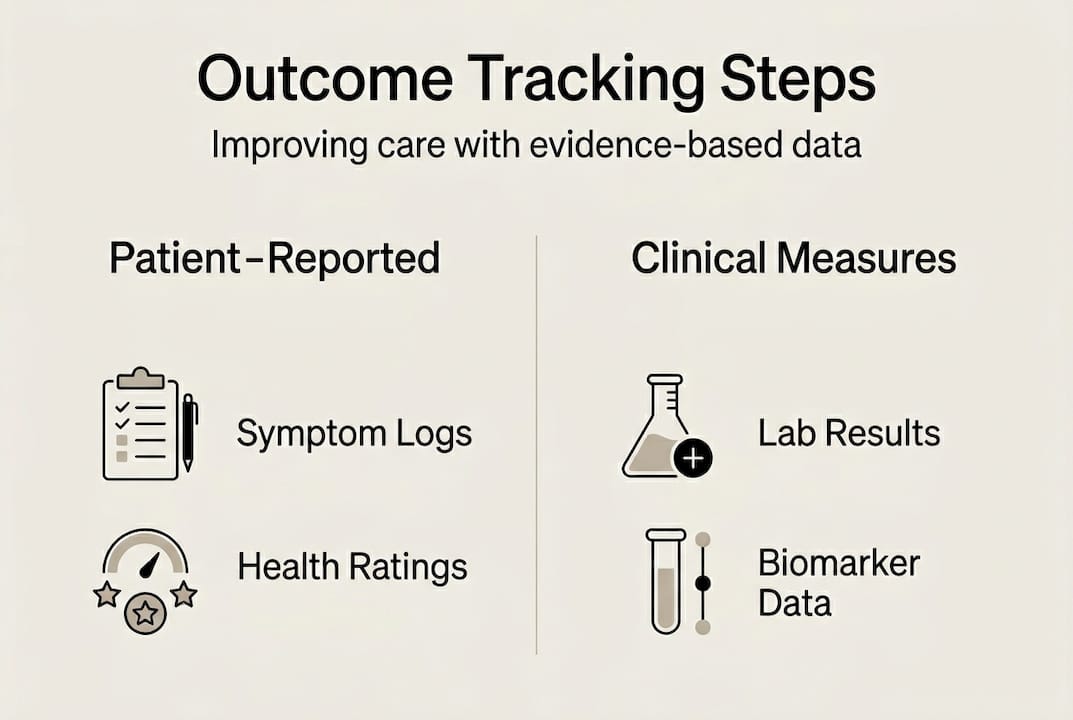
This data-informed approach transforms how you practice. Instead of wondering whether a gut protocol is working, you see fecal calprotectin dropping. Instead of guessing about fatigue levels, you track PROMIS scores week by week. The result? Faster course corrections, better patient retention, and outcomes you can actually prove.
Measuring patient-reported and clinical outcomes: tools and evidence
Validated measurement tools separate guesswork from genuine clinical intelligence. Patient-reported outcomes (PROs) capture the subjective experience of symptoms, function, and quality of life that only patients can describe. Clinical biomarkers provide objective physiological data. Together, they paint a complete picture.
PROMIS (Patient-Reported Outcomes Measurement Information System) scores demonstrate remarkable results in functional medicine settings. A Cleveland Clinic study found 1.59 point improvement in global physical health versus just 0.33 in primary care, with 30.9% of functional medicine patients achieving clinically meaningful change. That's not marginal. That's transformative.
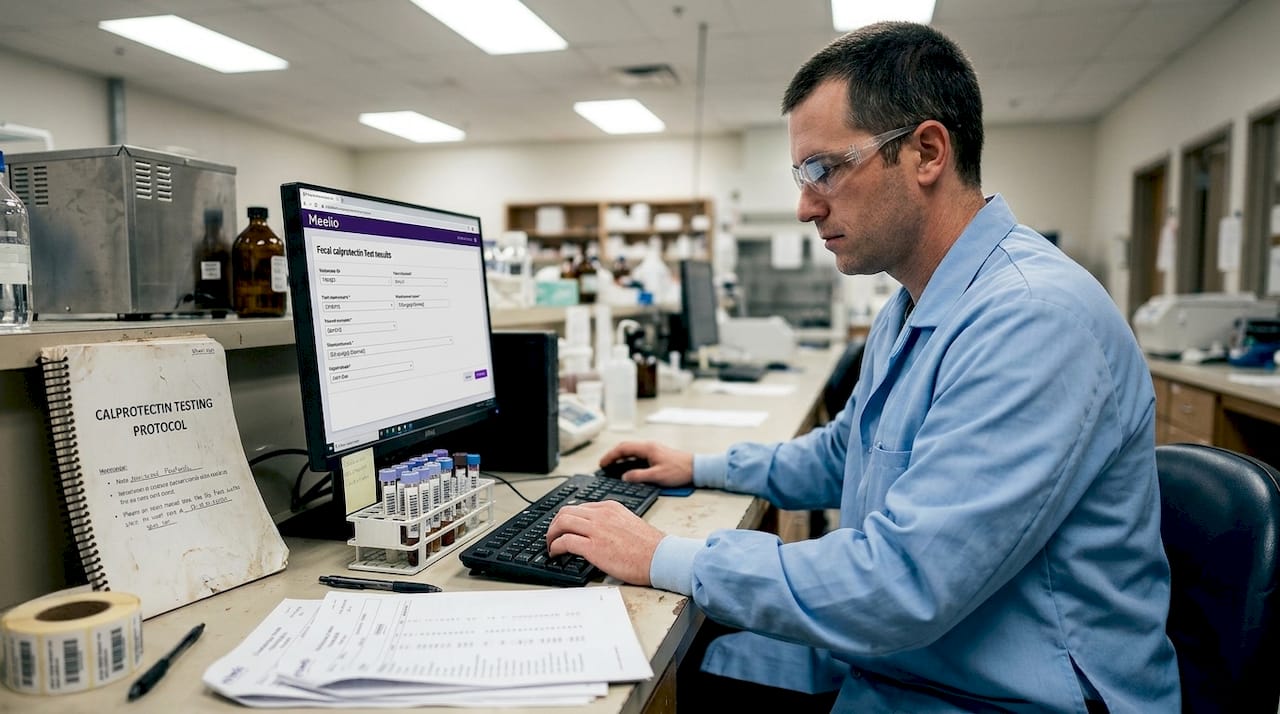
Biomarkers quantify what's happening beneath the surface. Research on functional medicine programs shows fecal calprotectin reductions in IBD patients following a six-week elimination diet. These aren't anecdotal improvements. They're measurable physiological shifts that validate your interventions.
Multisystem symptom tracking reveals patterns across domains. The Medical Symptoms Questionnaire (MSQ) and Gastrointestinal Symptom Rating Scale (GSRS) allow you to monitor how gut-focused protocols affect energy, cognition, and systemic inflammation. One case study documented 82.7% MSQ score reduction after implementing a targeted gut protocol, proving that comprehensive tracking captures improvements conventional medicine might miss.
| Tool | What it measures | Clinical value |
|---|---|---|
| PROMIS scores | Physical health, mental health, social function | Quantifies quality of life changes across multiple domains |
| Fecal calprotectin | Intestinal inflammation | Tracks gut healing in IBD, SIBO, and inflammatory conditions |
| MSQ (Medical Symptoms Questionnaire) | Multisystem symptom burden | Captures improvements across digestive, cognitive, and energy systems |
| GSRS (Gastrointestinal Symptom Rating Scale) | GI-specific symptom severity | Monitors gut-focused intervention effectiveness |
| HbA1c and fasting insulin | Metabolic health markers | Evaluates blood sugar regulation and insulin sensitivity |
The most effective practitioners combine PROs with biomarkers. When a patient reports 40% less brain fog on their symptom journal and you see their fasting insulin drop 25%, you have convergent evidence that your protocol is working. This dual approach also helps you catch discrepancies. If labs improve but symptoms don't, you know to investigate lifestyle factors or hidden stressors.
Integrating these tools into your workflow doesn't require massive infrastructure. Many AI for personalized functional medicine care platforms now aggregate PROs and biomarkers automatically, surfacing trends you might otherwise miss in scattered spreadsheets.
Pro Tip: Use a combination of PROs and biomarkers for every patient. Subjective and objective data together create the most complete picture of progress and reveal intervention gaps early.
Leveraging AI tools to optimize outcomes tracking and clinical workflows
Manual outcome tracking drowns practitioners in administrative work. You're already stretched thin between patient visits, protocol design, and continuing education. AI-powered tools solve this by aggregating disparate data streams into unified dashboards that surface actionable insights in seconds.
Modern AI-supported data integration pulls from EHRs, wearables, patient-reported outcomes, and lab systems to create a single source of truth. Instead of toggling between five platforms to understand one patient's trajectory, you see labs, PROMIS scores, sleep data, and dietary logs in one view. This interoperability enables real-time monitoring that catches early warning signs before they escalate.
Predictive analytics take this further. AI algorithms identify patterns in your patient population that signal risk. When a patient's HRV trends downward while cortisol rises and sleep quality drops, the system flags potential adrenal dysfunction before the patient crashes. You intervene proactively instead of reactively, preventing setbacks that damage trust and extend treatment timelines.
The time savings are substantial. Platforms focused on integrative care plan automation reduce documentation burden by four-plus hours daily. That's not hype. When AI drafts care plans based on intake data, generates personalized nutrition protocols from lab results, and auto-populates progress notes from outcome metrics, you reclaim hours previously lost to paperwork.
Here's how to implement AI tools effectively in your practice:
- Start with data integration by connecting your EHR, lab portal, and patient app to a unified platform
- Establish baseline metrics for each patient using validated PROs and relevant biomarkers
- Set up automated alerts for concerning trends like declining PROMIS scores or biomarker shifts
- Use AI-generated care plan templates as starting points, then customize based on clinical judgment
- Review aggregated outcome dashboards weekly to identify patients needing protocol adjustments
- Train your team on interpreting AI insights to ensure everyone understands the data
This workflow transforms how you practice. Instead of spending evenings charting, you review intelligent summaries that highlight what matters. Instead of remembering to check every patient's latest labs, the system notifies you when results need attention. Instead of guessing which interventions work best for autoimmune flares, you analyze outcome patterns across your patient population to refine protocols.
The predictive analytics in integrative medicine space is evolving rapidly. Algorithms now forecast patient adherence likelihood, predict which supplement combinations yield best results for specific genetic profiles, and identify optimal timing for protocol intensification or maintenance phases.
Critical nuance: AI amplifies your clinical expertise but never replaces it. You remain the decision-maker who interprets data through the lens of each patient's unique context, preferences, and goals. The technology handles aggregation and pattern recognition. You handle the human elements that make integrative medicine effective.
Pro Tip: Always maintain clinician oversight of AI-generated insights. Review recommendations critically, validate against clinical context, and explain your reasoning to patients to build trust in technology-assisted care.
When you automate patient documentation intelligently, you create space for what matters most: therapeutic relationships, creative problem-solving, and continuous learning that makes you a better practitioner.
Practical steps to implement patient outcome tracking in your integrative practice
Starting or enhancing outcome tracking doesn't require overhauling your entire practice overnight. Strategic implementation in phases builds sustainable systems that actually get used.
Begin by mapping your patient journey phases. Identify natural touchpoints where outcome data collection fits seamlessly: intake forms, post-consultation follow-ups, lab review appointments, and quarterly check-ins. Use these existing moments rather than creating new administrative burdens.
Select validated PROs and biomarkers relevant to your specialty. If you focus on gut health, prioritize GSRS, fecal calprotectin, and zonulin. For cognitive decline protocols, emphasize MoCA scores, inflammatory markers, and metabolic panels. Specificity matters more than comprehensiveness. Three well-chosen metrics tracked consistently outperform ten metrics tracked sporadically.
Establish clear outcome benchmarks tied to treatment timelines. Research shows 30% fatigue reduction represents meaningful improvement in integrative cancer care, while sustained PRO gains typically require multiple sessions. Set realistic expectations with patients upfront: "We're aiming for 40% symptom reduction by week 12, with labs confirming inflammatory marker improvements."
Leverage digital tools that patients actually use. Wearables track sleep, HRV, and activity without requiring manual logging. Symptom journal apps with push notifications improve completion rates. The easier you make data collection, the more consistent your outcome tracking becomes.
Data integration platforms unify information from disparate sources into clinically useful formats. Instead of spreadsheets you never review, you get visual dashboards showing each patient's trajectory at a glance. This is where patient management workflow best practices intersect with technology to create efficiency gains.
Here's your implementation checklist:
- Map your five patient journey phases and identify data collection touchpoints at each stage
- Choose three to five validated PROs and biomarkers aligned with your clinical focus
- Set specific improvement benchmarks for common presenting complaints in your practice
- Implement digital symptom journals and integrate wearable data where relevant
- Adopt a platform that aggregates EHR, lab, and patient-reported data into unified dashboards
- Schedule weekly outcome review sessions to identify patients needing protocol adjustments
- Train your team on consistent data collection procedures and documentation standards
Start small and iterate. Pick your five most engaged patients and implement comprehensive outcome tracking for them first. Refine your systems based on what works, then expand to your full patient panel. This phased approach prevents overwhelm and builds confidence.
The practices seeing best results treat outcome tracking as a core clinical competency, not an optional add-on. They build it into onboarding, mention it in every visit, and celebrate improvements with patients using concrete data. This approach transforms tracking from administrative task into therapeutic tool that strengthens engagement and demonstrates value.
How Meelio AI supports patient outcome tracking in integrative health
Implementing comprehensive outcome tracking while maintaining clinical efficiency requires purpose-built tools designed for integrative and functional medicine workflows. Meelio AI assistant for integrative health aggregates data from EHRs, patient-reported outcomes, wearables, and lab systems into unified dashboards that surface trends instantly.
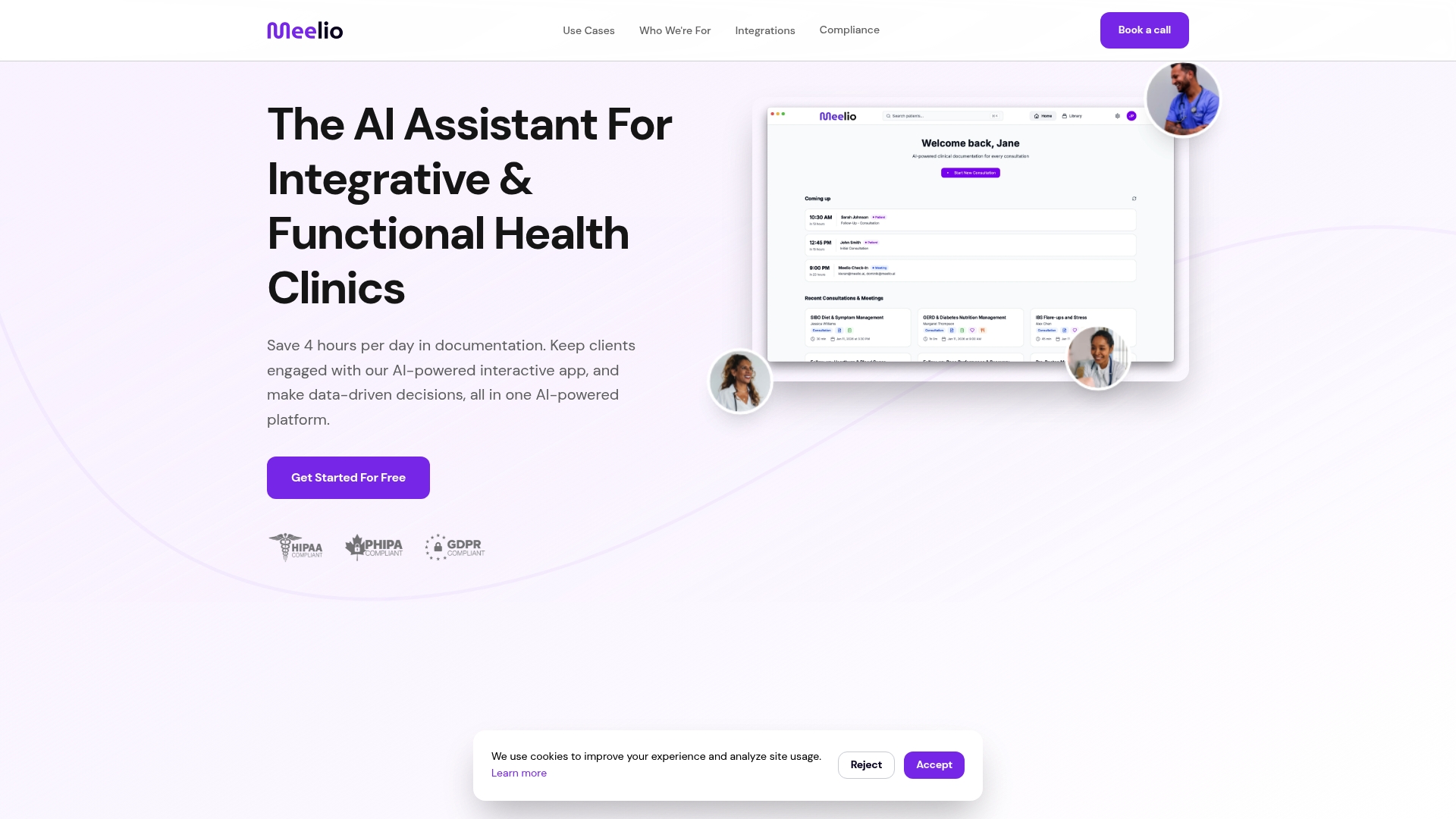
The platform automates comprehensive AI care plans automation based on intake data, lab results, and validated protocols like Bredesen, Shoemaker, and Wahls. This reduces documentation time dramatically while ensuring every patient receives personalized interventions grounded in their unique biomarker profile and symptom presentation. Practitioners using Meelio report saving over four hours daily on administrative tasks, time they redirect toward patient care and professional development.
Personalized nutrition becomes scalable with AI meal planning solutions that generate customized protocols aligned with elimination diets, autoimmune protocols, or metabolic optimization goals. The system considers food sensitivities, preferences, and therapeutic targets to create practical meal plans patients actually follow.
For practices committed to elevating care quality through data-driven personalization, Meelio transforms outcome tracking from burden into competitive advantage.
FAQ
What are patient-reported outcomes (PROs) and why are they important?
PROs are standardized questionnaires measuring health aspects reported directly by patients, including symptoms, functional status, and quality of life. They capture subjective experiences that biomarkers miss, like fatigue severity, cognitive clarity, or pain levels. In integrative medicine, PROs reveal how interventions affect daily living and overall wellbeing, making them essential for tailoring care to individual patient goals and demonstrating meaningful improvements beyond lab values.
How do AI tools improve patient outcome tracking in clinical practice?
AI integrates data from EHRs, wearables, lab systems, and patient-reported outcomes into unified dashboards that visualize trends instantly. This eliminates manual data aggregation and surfaces patterns you might miss reviewing isolated reports. Predictive analytics identify early warning signs like declining HRV or rising inflammatory markers, enabling proactive interventions before patients deteriorate. AI also automates documentation and care plan generation, reducing administrative time by four-plus hours daily while improving data consistency.
What benchmarks indicate meaningful patient improvement in functional medicine?
Clinically meaningful improvements typically include 30 to 50% symptom reduction within 8 to 12 weeks of starting interventions. For PROMIS scores, a 1.5 to 2 point increase in global physical health represents significant change. Biomarker benchmarks vary by condition but might include 25% reductions in inflammatory markers, normalization of fasting insulin below 5, or fecal calprotectin dropping under 50. These targets help evaluate whether protocols are working and guide decisions about intensifying, maintaining, or pivoting treatment approaches.
How can a practice start tracking patient outcomes effectively?
Start by mapping your patient journey phases and identifying natural data collection touchpoints at intake, follow-ups, and quarterly reviews. Select three to five validated PROs and biomarkers relevant to your specialty, like PROMIS scores and inflammatory markers. Implement digital symptom journals and wearable integration to reduce manual logging burden. Use a platform that aggregates disparate data sources into unified dashboards, and schedule weekly outcome review sessions to identify patients needing protocol adjustments. Begin with a small pilot group before expanding practice-wide.