Integrative health tips: Evidence-based strategies 2026
Discover evidence-based integrative health tips for 2026. Learn practical strategies for pain management, personalized nutrition, and AI-powered workflow optimization to improve patient outcomes.

Integrative health practitioners face a constant challenge: selecting effective interventions from countless options. With patients seeking personalized care that addresses root causes rather than symptoms, choosing the right strategies matters more than ever. This guide provides a structured framework and evidence-backed integrative health tips for 2026, helping you deliver measurable outcomes while optimizing your practice workflow.
Table of Contents
- Criteria For Selecting Effective Integrative Health Tips
- Top Integrative Health Tips For Managing Pain And Psychosomatic Symptoms
- Integrative Approaches For Personalized Nutrition And Lifestyle Optimization
- Comparing Integrative Health Tips: Practical Decision-Making For Your Practice
- Boost Your Integrative Practice With AI-Powered Tools
- Frequently Asked Questions About Integrative Health Tips
Key takeaways
| Point | Details |
|---|---|
| Root cause focus | Integrative health tips improve patient outcomes by addressing underlying causes and personalizing care. |
| Evidence-based pain management | Traditional Korean Medicine shows strong evidence in managing acute musculoskeletal pain safely. |
| Mind-body connection | Psychosomatic symptom improvements correlate with pain relief in integrative treatments. |
| Personalized nutrition | Functional medicine emphasizes deep assessment beyond symptoms for lasting health improvements. |
| Technology integration | AI tools streamline care plans and personalized dietary recommendations for better efficiency. |
Criteria for selecting effective integrative health tips
Choosing the right integrative health interventions requires a systematic approach. You need clear criteria to evaluate options and ensure they align with your practice philosophy and patient needs.
Start with safety and efficacy. Every intervention must demonstrate both clinical effectiveness and minimal risk. Look for peer-reviewed studies, systematic reviews, and real-world outcomes data. Functional medicine emphasizes identifying and addressing the root cause rather than managing symptoms alone. This distinction separates truly integrative approaches from conventional band-aid solutions.
Consider these essential evaluation factors:
- Evidence strength from clinical trials and systematic reviews
- Root cause alignment with functional medicine principles
- Personalization potential for individual patient contexts
- Integration feasibility within your current practice workflow
- Patient preference and psychosocial impact considerations
A systematic health assessment guides tip selection effectively. Before recommending any intervention, gather comprehensive data on patient history, lifestyle factors, environmental exposures, and biochemical markers. This functional health assessment checklist approach ensures you match interventions to actual patient needs rather than applying generic protocols.
Pro Tip: Use analytics and clinical intelligence tools to identify impactful interventions faster. Data-driven insights reveal which tips produce the strongest outcomes for specific patient profiles, letting you refine your approach continuously.
The best integrative health tips share common characteristics. They address multiple body systems simultaneously, support natural healing mechanisms, and produce sustainable long-term improvements. When evaluating new interventions, ask whether they meet these standards or simply offer temporary relief. Patient-centered functional care demands this higher level of scrutiny.
Top integrative health tips for managing pain and psychosomatic symptoms
Pain management represents one of the most common challenges in integrative practice. Evidence-based interventions that address both physical and psychological components deliver superior outcomes.
Traditional Korean Medicine is effective and safe for acute neck and low back pain following traffic accidents. Recent research demonstrates significant pain reduction without the adverse effects associated with conventional pharmaceutical approaches. Acupuncture, herbal formulations, and manual therapies within TKM protocols show consistent clinical benefits.
The mind-body connection plays a crucial role in pain outcomes. Improvements in psychosomatic symptoms are associated with improved pain-related outcomes in patients receiving TKM for traffic accident-related pain. This correlation highlights why addressing psychological factors alongside physical symptoms produces better results.
Consider these evidence-backed pain management approaches:
- Acupuncture for acute and chronic musculoskeletal conditions
- Mind-body techniques including meditation and biofeedback
- Manual therapies targeting fascial restrictions and joint mobility
- Herbal anti-inflammatory protocols with proven safety profiles
- Nutritional interventions reducing systemic inflammation
Chronic pain cases require comprehensive strategies. Many patients develop psychosomatic symptoms after prolonged pain experiences, creating feedback loops that perpetuate discomfort. Breaking these cycles demands interventions targeting both physiological pain generators and psychological amplification mechanisms.
Pro Tip: Incorporate adjunctive therapies targeting psychological symptoms for holistic benefits. Combining physical treatments with cognitive behavioral approaches, stress management, and sleep optimization produces synergistic effects that exceed individual intervention results.
The integrative health benefits extend beyond pain scores. Patients report improved function, better sleep quality, reduced medication dependence, and enhanced overall wellbeing. These multidimensional improvements justify the comprehensive assessment and personalized treatment planning that AI personalized care functional medicine platforms facilitate. Even simple interventions like proper ergonomic support during travel can prevent pain development, as detailed in this travel pillow neck pain relief guide.
Integrative approaches for personalized nutrition and lifestyle optimization
Nutrition represents the foundation of integrative health. Personalized dietary interventions address root causes while supporting optimal function across all body systems.
Personalized nutrition plans must reflect individual biochemistry, genetic factors, microbiome composition, and lifestyle context. Generic meal plans rarely produce lasting results. Instead, tailor recommendations to specific patient needs identified through comprehensive assessment. Consider food sensitivities, nutrient deficiencies, metabolic dysfunction, and digestive capacity when designing protocols.
Lifestyle optimization extends beyond diet. Sleep quality, stress management, physical activity, and environmental exposures all influence health outcomes significantly. Address these factors systematically:
- Sleep hygiene protocols targeting 7-9 hours of quality rest nightly
- Stress reduction techniques including breathwork and time in nature
- Movement practices appropriate for individual fitness levels and preferences
- Environmental toxin reduction strategies for home and workplace
- Social connection and community engagement for psychological wellbeing
AI-powered tools for meal planning dramatically improve efficiency. These platforms generate personalized meal plans based on patient data, dietary restrictions, and therapeutic goals in minutes rather than hours. The time savings allow practitioners to focus on patient interaction and clinical decision-making rather than administrative tasks.

| Lifestyle Factor | Impact on Outcomes | Implementation Priority |
|---|---|---|
| Sleep quality | Affects inflammation, hormone balance, cognitive function | High |
| Stress management | Influences cortisol, immune function, digestive health | High |
| Personalized nutrition | Addresses root causes, supports cellular function | Critical |
| Physical activity | Improves metabolic health, mood, cardiovascular function | Medium |
| Environmental toxins | Reduces oxidative stress, supports detoxification | Medium |
Complementary and integrative medicine therapies support overall quality of life and symptom mitigation across the cancer care continuum. This principle applies equally to chronic disease management, where quality of life improvements matter as much as biomarker changes.
Pro Tip: Use personalized data and patient feedback loops to continuously refine lifestyle interventions. Regular check-ins reveal what works for individual patients, allowing real-time protocol adjustments that maximize adherence and outcomes.
Workflow automation functional medicine platforms integrate nutrition planning with other clinical tasks. This integration ensures dietary recommendations align with supplement protocols, lab monitoring schedules, and follow-up care plans. The result is cohesive, comprehensive care that addresses all aspects of patient health simultaneously.
Comparing integrative health tips: Practical decision-making for your practice
Selecting the right interventions requires weighing multiple factors. This comparison helps you match integrative health tips to specific patient needs and practice constraints.
| Intervention Type | Evidence Strength | Resource Demand | Patient Suitability | Expected Outcomes | | --- | --- | --- | --- | | | Traditional Korean Medicine | High for acute pain | Moderate | Musculoskeletal complaints | Rapid pain relief, functional improvement | | Personalized nutrition | High for chronic disease | Low to moderate | Most patient populations | Long-term metabolic improvements | | Mind-body techniques | Moderate to high | Low | Stress-related conditions | Symptom reduction, quality of life gains | | Herbal protocols | Variable by condition | Moderate | Patients preferring natural options | Targeted symptom management |
Decision-making becomes clearer with a structured approach. Follow these steps when selecting interventions:
- Assess patient symptom severity and chronicity to determine urgency level.
- Evaluate evidence quality for potential interventions relevant to the condition.
- Consider patient preferences, values, and previous treatment experiences.
- Match resource requirements to your practice capabilities and patient budget.
- Prioritize interventions addressing root causes over symptom management alone.
- Plan for ongoing monitoring and protocol adjustments based on response.
The study's focus on integrative health management highlights personalized health strategies in functional medicine. This personalization separates effective integrative care from one-size-fits-all approaches. Every patient deserves a customized protocol reflecting their unique biochemistry, lifestyle, and health goals.
Pro Tip: Prioritize interventions with strong evidence and feasibility for your practice setting. Starting with well-validated approaches builds patient trust and demonstrates value quickly, creating momentum for more comprehensive protocol implementation.
Clinical intelligence platforms enhance decision-making significantly. Clinical intelligence AI benefits include pattern recognition across patient populations, outcome prediction based on historical data, and protocol optimization suggestions. These tools don't replace clinical judgment but augment it with data-driven insights that improve accuracy and efficiency.
The functional medicine care plan guide framework ensures comprehensive intervention planning. Document baseline assessments, intervention rationale, expected timelines, monitoring parameters, and adjustment criteria. This systematic approach produces better outcomes while creating clear communication with patients about treatment expectations.
Boost your integrative practice with AI-powered tools
Implementing evidence-based integrative health tips becomes significantly easier with the right technology support. Meelio's AI-powered platform helps functional medicine doctors and dietitians deliver personalized care efficiently while saving hours daily on administrative tasks.
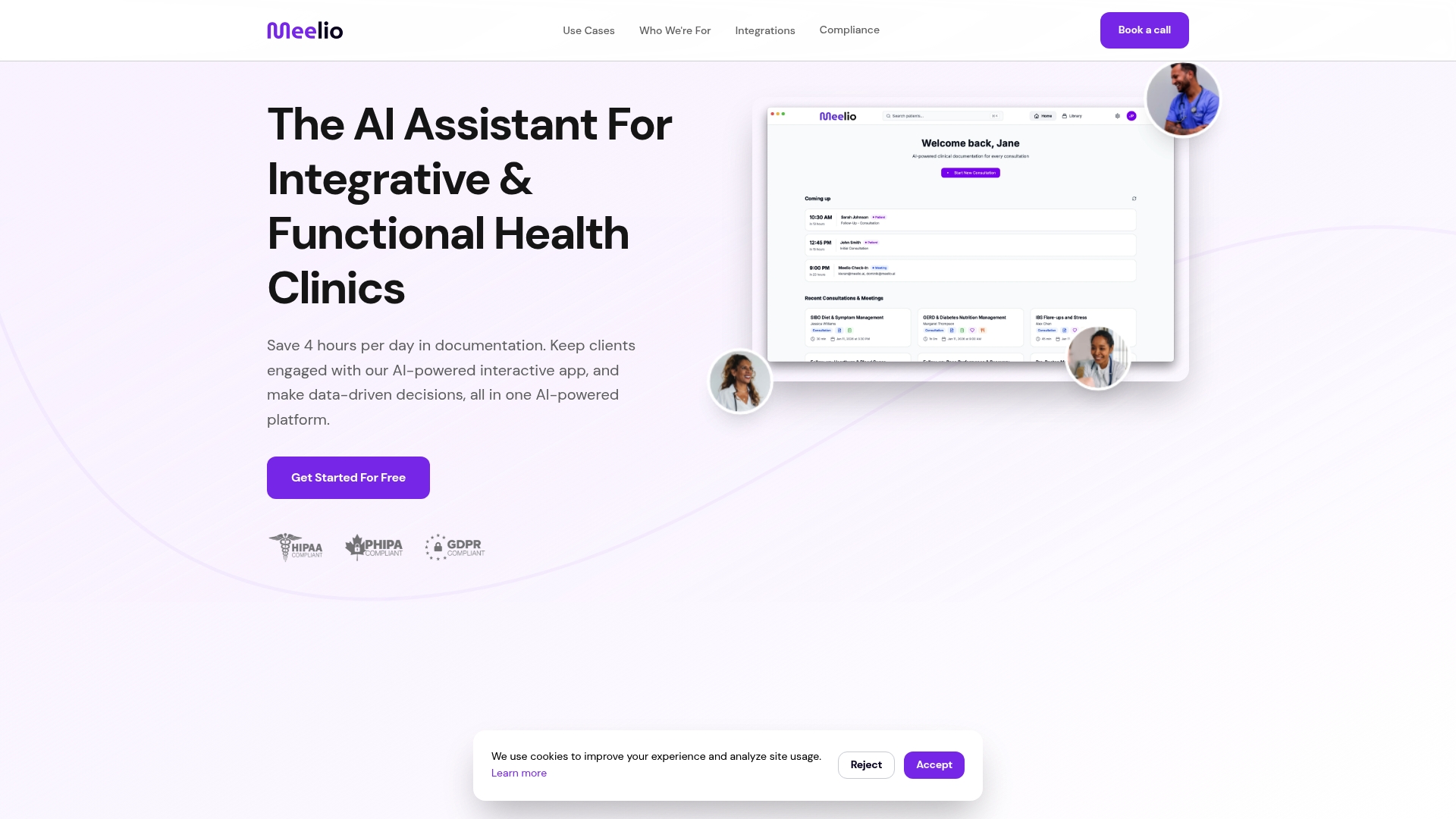
Our AI meal planning solutions generate customized nutrition protocols in minutes, considering patient preferences, dietary restrictions, and therapeutic goals. The platform integrates with your EHR system, ensuring seamless workflow and comprehensive patient records. Beyond meal planning, Meelio automates care plan generation, longitudinal lab analysis, and protocol-specific clinical intelligence for complex frameworks like Bredesen and Wahls.
The AI assistant for nutritionists handles routine tasks so you can focus on patient interaction and clinical decision-making. Practitioners report saving 4+ hours daily while improving patient outcomes through more personalized, data-driven care. Discover how Meelio transforms integrative health practice efficiency.
Frequently asked questions about integrative health tips
What are the most effective integrative health tips for pain management?
Traditional Korean Medicine shows strong evidence for acute musculoskeletal pain, combining acupuncture, herbal formulations, and manual therapies. Mind-body techniques targeting psychosomatic symptoms enhance outcomes significantly when combined with physical interventions.
How can psychosomatic symptoms influence integrative treatment outcomes?
Psychosomatic symptom improvements correlate directly with pain reduction in integrative treatments. Addressing psychological factors alongside physical symptoms breaks pain amplification cycles and produces superior long-term outcomes compared to physical interventions alone.
What role does personalized nutrition play in functional medicine?
Personalized nutrition addresses root causes by supporting optimal cellular function, reducing inflammation, and correcting nutrient deficiencies. Tailored dietary protocols based on individual biochemistry, genetics, and microbiome composition produce sustainable health improvements that generic meal plans cannot achieve.
How can AI tools enhance integrative health practice?
AI platforms automate time-consuming tasks like meal planning, care plan generation, and lab analysis, saving practitioners 4+ hours daily. Clinical intelligence features provide data-driven insights for protocol optimization and outcome prediction, improving both efficiency and patient results.
What criteria should guide selection of integrative health interventions?
Prioritize interventions with strong evidence, clear safety profiles, and root cause alignment. Consider patient preferences, resource requirements, and integration feasibility within your practice workflow. Systematic health assessment ensures interventions match actual patient needs rather than generic protocols.