How to Document Metabolic Health Protocols with AI: A 2026 Guide
Only 12.2% of Americans are metabolically healthy. Learn how AI documents insulin resistance protocols, CGM data, and HOMA-IR tracking.

How to Document Metabolic Health Protocols with AI in Functional Medicine: A 2026 Guide

The statistics on metabolic health are staggering. Only 12.2% of American adults are metabolically healthy, defined by optimal levels of waist circumference, glucose, blood pressure, triglycerides, and HDL cholesterol (UNC/NHANES, 2018). Meanwhile, the prevalence of metabolic syndrome has climbed to 38.7% (JAMA, 2026). As functional medicine clinicians, we know the conventional approach of watching fasting glucose and HbA1c creep up is a failing strategy.
Our deep metabolic workups track ten or more interconnected markers, from fasting insulin and HOMA-IR to CGM data and reverse T3. This creates a significant documentation burden. The very complexity that allows us to uncover root causes also bogs us down in administrative work. This guide provides a five-step workflow for using AI to streamline the documentation of your metabolic health and insulin resistance protocols, freeing you to focus on clinical strategy and patient care.
Key Takeaways
- The Problem: Only 12.2% of U.S. adults are metabolically healthy. Functional medicine addresses this with complex protocols that are difficult and time-consuming to document manually.
- The Functional Panel: A comprehensive assessment goes beyond glucose and HbA1c to include fasting insulin, HOMA-IR, CGM data, a full lipid panel, hs-CRP, and key thyroid ratios like T3/rT3.
- AI-Powered Workflow: Use AI to build standardized assessment templates, integrate and summarize CGM data, automate the creation of personalized care plans and meal plans, and track key metabolic markers over time.
- Time Savings: AI scribes and documentation tools can significantly reduce the 13 hours per week physicians spend on indirect patient care, cutting clinical note time and mitigating burnout.
- Improved Outcomes: Efficient documentation allows for better tracking of patient progress, leading to more precise protocol adjustments and improved clinical outcomes in reversing insulin resistance.
Why Is Only 12.2% of America Metabolically Healthy?
An alarmingly small fraction of the U.S. population meets the criteria for optimal metabolic health. With 72.4% of adults classified as overweight or having obesity (CDC NCHS, 2024) and an estimated 115.2 million having prediabetes (CDC, 2026), we are facing a systemic crisis. This epidemic is driven by a web of factors including ultra-processed diets, sedentary lifestyles, chronic stress, poor sleep, and exposure to endocrine-disrupting chemicals.
From a functional medicine standpoint, these factors converge to promote insulin resistance, the central dysfunction underlying metabolic syndrome. This isn't just a clinical issue; it's an economic one. The total cost of diagnosed diabetes has reached $412.9 billion annually, with one in every four U.S. healthcare dollars spent on caring for people with diabetes (ADA, 2023). Our current model is reactive, not proactive.
Conventional medicine often waits for fasting glucose or HbA1c to cross a diagnostic threshold before intervening. We know that cellular dysfunction begins years, even decades, before those markers become abnormal. By investigating the upstream drivers and tracking more sensitive biomarkers, we can identify and reverse the progression toward type 2 diabetes and its related comorbidities long before a formal diagnosis is made. But how do we manage the data this deep investigation produces?
What Does a Functional Medicine Metabolic Panel Actually Track?
A functional medicine metabolic workup provides a high-resolution picture that conventional screening misses. While a standard panel might only include fasting glucose and HbA1c, our assessment incorporates over ten markers to understand the why behind a patient’s dysglycemia. This includes fasting insulin to calculate HOMA-IR, a full lipid panel to assess the Triglyceride/HDL ratio, and inflammatory markers like hs-CRP.
We go deeper by evaluating the thyroid's role, specifically the T3/rT3 ratio. Research shows this ratio is significantly associated with insulin resistance, as individuals with diabetes convert T4 to the active T3 hormone far less efficiently (European J Endocrinology/PubMed, 2011). This connection between thyroid function and insulin sensitivity is a critical piece of the metabolic puzzle that is often overlooked. You can find more details in our guide to documenting autoimmune thyroid protocols.
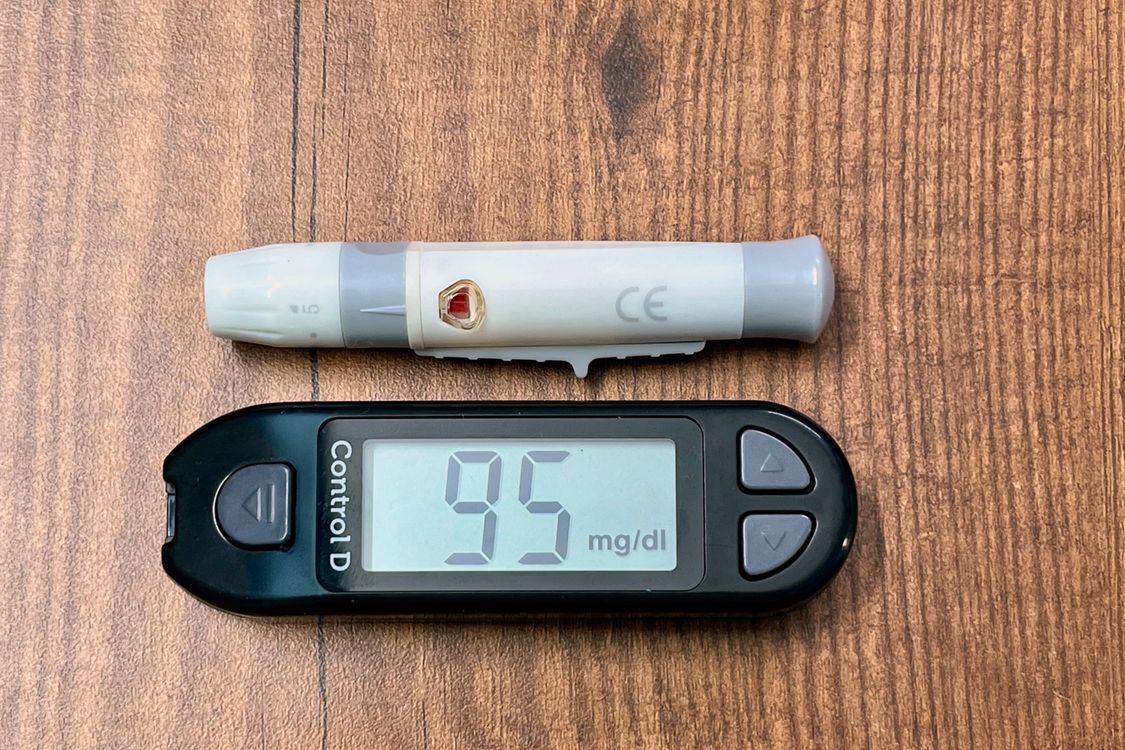
Furthermore, we integrate dynamic data from continuous glucose monitors (CGMs). Instead of a single snapshot, we see the full 24-hour reality of a patient's glycemic response. We track metrics like time in range and glycemic variability. This comprehensive dataset is clinically powerful, but documenting it efficiently requires a new approach.

Step 1: Build a Metabolic Assessment Template for Complex Cases
Clinicians now spend an average of 13 hours per week on indirect patient care and administrative tasks (AMA, 2024). A well-designed clinical note template is your first line of defense against this documentation burden. For metabolic health, your template should be structured to capture the nuances of a functional assessment, creating a consistent framework for every patient encounter.
A robust template should include dedicated sections for subjective inputs like energy levels, sugar cravings, sleep quality, and stress scores. It needs fields for objective data including anthropometrics (waist-to-hip ratio) and the full panel of functional labs: fasting insulin, HOMA-IR, Trig/HDL ratio, T3/rT3, and hs-CRP. This structure ensures you never miss a key data point and makes it easier to track patient outcomes over time.
This is where an AI medical scribe becomes invaluable. Instead of manually typing during a visit, you can have a natural conversation with your patient. The AI listens and populates your pre-built template with the relevant subjective and objective information in real-time. It can transcribe the patient's dietary recall and extract key symptoms, linking them to the appropriate sections of your note. This saves time and improves the quality of your documentation.
Step 2: Integrate CGM Data into Clinical Documentation
The continuous glucose monitor market is set to more than double, from $13.28 billion to $31.38 billion by 2031 (Mordor Intelligence, 2025). This growth means a flood of patient-generated health data is coming to our practices. While incredibly valuable, manually sifting through CGM reports to extract meaningful insights for a clinical note is not a sustainable use of your time.
The key metrics we need to document from CGM data are time in range (TIR), glycemic variability (GV), and specific postprandial responses to meals. These numbers tell a story that a single fasting glucose reading cannot. They reveal how a patient’s body responds to their unique diet and lifestyle, providing direct biofeedback for personalized interventions. But how can you efficiently get this rich data into your EHR?
AI tools can parse PDF reports from popular CGM platforms like Dexcom, FreeStyle Libre, Levels, and NutriSense. The AI can generate a concise summary for your clinical note, highlighting average glucose, percentage of time spent in hyperglycemic or hypoglycemic ranges, and the standard deviation as a measure of glycemic variability. It can even correlate high-glucose events with the patient’s food and activity log, automating a crucial part of the clinical analysis.
Step 3: Automate Metabolic Protocol Care Plans with AI
Developing a comprehensive, personalized metabolic syndrome protocol is a creative and clinical process that can take 30 minutes or more per patient. This plan synthesizes lab data, patient history, and lifestyle factors into an actionable strategy. An AI assistant trained on functional medicine principles can act as your clinical co-pilot, drafting this entire plan based on your assessment and directives in just a few minutes.
A typical protocol for insulin resistance involves several layers. The dietary component might be a low-glycemic, nutrient-dense plan focused on whole foods. The supplement protocol could include insulin-sensitizing agents like berberine, myo-inositol, alpha-lipoic acid, and chromium. Lifestyle recommendations would target sleep hygiene, stress reduction via HRV training, and a specific exercise prescription combining resistance training with HIIT.
With AI, you simply state your clinical intentions in the assessment section of your note. For example: "Initiate a low-glycemic Mediterranean diet, start berberine 500mg BID with meals, and recommend 3x weekly resistance training." The AI then expands these instructions into a detailed, patient-facing care plan. It provides food lists, supplement schedules with brand recommendations, and clear lifestyle instructions, all of which you can quickly review and refine. This is the power of protocol-specific AI.
Step 4: Generate Insulin-Sensitizing Meal Plans from Patient Data
A common failure point in any metabolic protocol is the lack of a clear, actionable nutrition plan. Telling a patient to "eat a low-glycemic diet" is often too vague. Providing a personalized meal plan dramatically increases adherence and success, but creating them manually is unsustainable. AI can now bridge this gap by generating customized, insulin-sensitizing meal plans in minutes.
The process is straightforward. You input the patient’s clinical parameters and preferences into the AI tool. This includes the desired dietary strategy (e.g., modified ketogenic, paleo), macronutrient targets, and any food allergies or sensitivities like gluten or dairy. The AI then generates a complete 7-day meal plan, including recipes and a consolidated shopping list. This approach to personalized nutrition is a significant value-add for your practice.
Imagine a patient whose CGM data shows significant glucose spikes after their typical oatmeal breakfast. You can instruct the AI to generate a breakfast-focused plan with high-protein, high-fiber options that avoid grains. The AI delivers several recipes, like a chia seed pudding or a vegetable and egg scramble, that fit the clinical need and the patient's taste. This level of rapid personalization was previously impossible to scale.

Step 5: Track Metabolic Markers Across Protocol Phases
The true test of a metabolic protocol is in the data. Demonstrating objective improvement is essential for validating your approach and maintaining patient motivation. However, manually creating flowsheets to track HOMA-IR, fasting insulin, hs-CRP, and CGM metrics across multiple lab reports is tedious. AI can automate this entire outcome-tracking process.
As you upload new lab reports to the patient's chart, an AI assistant can automatically extract the key metabolic markers. It populates a longitudinal flowsheet, allowing you and your patient to visualize progress at a glance. Seeing HOMA-IR decrease from 4.5 to 1.9 over six months provides powerful reinforcement. It transforms abstract numbers into a clear narrative of healing.
This automated tracking also enhances your clinical agility. You can quickly spot if a marker like triglycerides is not responding as expected, prompting a protocol adjustment sooner. Is it time to increase the fish oil dose or add a targeted nutrient? By having the data cleanly organized and visualized, you can make more informed decisions, faster. This systematic approach is crucial, whether you are managing metabolic syndrome, PCOS, or NAFLD, all of which share insulin resistance as a common root cause.
Common Mistakes in Metabolic Protocol Documentation
Even with the best clinical intentions, documentation pitfalls can obscure patient progress and create inefficiencies. One of the most common mistakes is focusing exclusively on fasting glucose and HbA1c. This overlooks the preceding stage of hyperinsulinemia, where the body is overproducing insulin to maintain normal blood sugar. Documenting fasting insulin and HOMA-IR is non-negotiable for early detection.
Another frequent oversight is neglecting the thyroid-insulin connection. Failing to track reverse T3 and the T3/rT3 ratio means you could miss a primary driver of poor metabolic function. Similarly, not documenting lifestyle factors like sleep duration from a wearable device or perceived stress scores leaves out crucial context. These inputs are not "soft" data; they are key variables that directly impact insulin sensitivity.
Finally, a lack of standardized documentation creates chaos. Without a consistent template, data gets lost in unstructured notes, making it impossible to effectively track changes over time. An AI-driven workflow that uses structured templates and automated data extraction solves this problem, ensuring your documentation is as systematic and precise as your clinical protocols.
Frequently Asked Questions
How does AI help with HOMA-IR interpretation?
AI assists by automating the calculation of HOMA-IR (Homeostatic Model Assessment of Insulin Resistance) from fasting glucose and fasting insulin values. It can then track this value over time, flagging significant changes. Given HOMA-IR's high accuracy for detecting insulin resistance (AUC 0.90), this automated tracking helps you objectively monitor a patient's progress in reversing their condition (PMC, 2025).
Can AI document protocols for related conditions like PCOS or NAFLD?
Yes. AI is particularly effective for conditions with shared underlying mechanisms. Since insulin resistance is a key driver in Polycystic Ovary Syndrome (PCOS), Non-Alcoholic Fatty Liver Disease (NAFLD), and metabolic syndrome, a core documentation template can be adapted for each. The AI can then help generate care plans with specific modifications, such as adding supplements like N-acetylcysteine for liver support in NAFLD.
Is AI documentation secure for patient data?
Reputable AI platforms designed for healthcare are built with security as a priority. They must be HIPAA-compliant, which involves using robust encryption for data both in transit and at rest. Patient data is de-identified whenever possible for training purposes, and strict access controls are in place. Always verify the security and compliance credentials of any AI tool before integrating it into your practice.
How much time can AI scribes really save on metabolic health notes?
Studies show AI scribes can have a significant impact on clinician well-being and efficiency. One recent study found AI scribe implementation was associated with a reduction in physician burnout from 51.9% to 38.8% (PMC/JAMA, 2025). By automating the transcription and structuring of complex metabolic histories, AI can help reclaim a substantial portion of the 13 hours per week typically spent on administrative work.
Why is CGM data so important in functional medicine?
CGM data provides a dynamic, real-time view of a patient’s glucose regulation, which is far more insightful than static lab markers. It reveals individual food sensitivities, the impact of stress or poor sleep on blood sugar, and the benefits of exercise. This biofeedback allows for truly personalized nutrition and lifestyle interventions, moving beyond generic advice to a protocol tailored to the patient’s unique physiology.
Explore Metabolic Health Documentation with Meelio
The complexity of functional medicine is our greatest strength, but it shouldn't be our greatest administrative burden. By integrating a purpose-built AI assistant into your clinical workflow, you can automate the most time-consuming aspects of documentation for metabolic health protocols. From capturing the patient story to generating detailed care plans and tracking outcomes, AI helps you work more efficiently and effectively.
If you’re ready to spend less time on your keyboard and more time on clinical strategy, explore what a functional medicine-specific AI can do for your practice.